Items Packers and Movers Won’t Move: Restricted and Prohibited Goods List for 2026

Moving day is an exciting new home, fresh start. But there’s one thing that trips up even the most organised people: loading something into the truck that the movers are not allowed to carry.

It happens more often than you’d think. A gas cylinder here, a bottle of pesticide there and suddenly your entire move is at a standstill. The good news? Knowing the rules ahead of time makes everything go smoothly. Let’s break it all down.

WHO Needs to Know About Restricted and Prohibited Items?

This is not just for people doing long-distance moves. Anyone working with a moving company needs to read this including:

  • Families shifting between cities for work, school, or personal reasons
  • Working professionals relocating to metro areas like Chennai, Hyderabad, or Navi Mumbai
  • Students moving into rented apartments or hostels
  • Senior citizens downsizing to smaller homes
  • Business owners moving office setups and equipment
  • Anyone hiring packers and movers in Anna Nagar, packers and movers in Madhapur, or packers and movers in Airoli local rules still apply

If a moving company is involved in your shift, this list is for you.

WHAT Items Are Restricted or Prohibited?

First, let’s understand the difference:

  • Prohibited items are a hard no. No exceptions, no workarounds.
  • Restricted items may be transported under specific conditions usually with prior approval, special packing, or separate arrangements.

Prohibited Items Absolute No-Go:

  • Flammable liquids and gases petrol cans, kerosene, turpentine, aerosol sprays, lighter fluid
  • Explosives and fireworks crackers, sparklers, matchboxes in bulk, party poppers
  • Corrosive chemicals acids, drain cleaners, industrial bleach, rust removers
  • Pesticides and fertilisers weedkillers, rat poison, chemical fertiliser bags
  • Ammunition and weapons licensed or unlicensed, no firearms or bullets go in the truck
  • Perishable food items raw vegetables, fruits, meat, dairy, open food packets
  • Live animals pets, birds, fish tanks with live fish
  • Biological or medical waste used syringes, lab samples, expired medication in bulk
  • High-value personal items cash, gold, jewellery, original documents (not covered by transit insurance)
  • Carry on luggage items not allowed in vehicles compressed gas canisters, oxygen cylinders, fire extinguishers

Restricted Items Needs Special Arrangement:

  • LPG cylinders must be fully empty, valve closed, and disclosed during booking
  • Potted plants soil may carry pests; many movers decline or ask you to carry them separately
  • Two-wheelers and cars need a dedicated vehicle transport service, not the standard truck
  • Antiques, artwork, and fragile collectibles require custom wooden crating and separate insurance
  • Heavy gym equipment treadmills, weight racks, and large machines need prior loading assessment

WHEN Should You Sort Out Restricted Items?

Timing matters a lot here. Waiting until moving day is the biggest mistake people make.

  • 3–4 weeks before the move do a full room-by-room walkthrough and spot everything on the restricted list
  • 2 weeks before start consuming, donating, or disposing of perishables and chemicals you won’t need
  • 1 week before confirm with your mover what they will and won’t carry; get it in writing if needed
  • 3 days before make alternative arrangements for plants, cylinders, and pets
  • Moving day carry valuables, documents, and personal items in your own bag never in the truck

Getting this done early means zero surprises when the crew shows up.

WHERE Do These Rules Apply?

These transport safety tips are not company-specific; they follow road transport law and fire safety regulations across India.

  • Road transport rules under the Motor Vehicles Act apply to every moving truck in the country
  • Packers and movers in Anna Nagar follow Tamil Nadu’s state transport and fire safety guidelines
  • Packers and movers in Madhapur operate under Telangana road transport regulations
  • Packers and movers in Airoli comply with Maharashtra’s commercial vehicle safety norms
  • Interstate checkpoints often inspect cargo prohibited items can lead to vehicle seizure or legal trouble
  • Air and rail cargo follow even stricter standards if you’re shipping goods that way

The rules are consistent at the national level local movers just enforce them in their own way.

WHY Do Packers and Movers Refuse Certain Items?

This isn’t difficult. There are real, serious reasons behind every restriction.

  • Fire hazards in closed trucks flammable liquids in a hot, enclosed cargo space are genuinely dangerous
  • Chemical spillage damages everything one leaking bottle can ruin furniture, clothes, and electronics
  • Legal consequences for the driver carrying prohibited goods is a transportable offence under Indian law
  • Insurance policies become void if banned items are discovered, your entire transit insurance claim can be rejected
  • Risk to other people on the road truck accidents involving chemicals or explosives put lives at risk
  • Liability for the moving company companies found carrying illegal cargo can lose their licence

Understanding the why makes it easier to cooperate and to plan better.

HOW to Handle Items That Can’t Go in the Truck

Here’s a practical, easy-to-follow plan for packing smart around these restrictions:

  • Download or create a moving packing list and go room by room kitchen, garage, and bathroom have the most restricted items
  • Finish or donate food plan meals around clearing out your fridge and pantry the week before the move
  • Safely dispose of chemicals half-used paint, pesticide bottles, and cleaning agents should be disposed of responsibly, not packed
  • Empty and return LPG cylinders contact your gas agency at least a week in advance
  • Arrange pet travel separately book a pet-friendly cab or licensed pet transport service
  • Carry plants in your own vehicle or gift them to neighbours if the move is long-distance
  • Pack valuables in a personal bag your documents, jewellery, and hard drives stay with you at all times
  • Inform your mover during the pre-move survey full transparency avoids delays and disputes on moving day

Benefits of Packing Smart Around These Rules

Following these packing suggestions for moving does more than keep you compliant it genuinely makes the move better.

  • No delays on moving day the crew loads and leaves on time without disputes
  • Your belongings stay safe no chemical leaks, no heat damage, no contamination
  • Insurance stays valid a clean shipment means your policy actually protects you
  • Less stress overall you’re not scrambling to figure out what to do with a gas cylinder at 7 AM
  • Better relationship with your movers crews are more careful and attentive when the job is straightforward
  • Faster unpacking at the other end no items to quarantine, check, or sort through

Expert Packing Tips for Shifting House the Right Way

A few things experienced movers always recommend:

  • Never assume always ask if you’re unsure whether something is allowed, call your mover before packing day
  • Take photos before packing document the condition of expensive items in case of disputes later
  • Label boxes with contents vague labels like “miscellaneous” slow down loading and raise suspicion
  • Keep an essentials bag pack medicines, phone chargers, a change of clothes, and important documents to carry personally
  • Don’t seal boxes until the mover sees them especially in rooms with chemicals, tools, or food
  • Check state-specific restrictions especially if you’re moving across Tamil Nadu, Telangana, or Maharashtra borders
  • Book early and share your full inventory last-minute bookings leave no room for special arrangements

Make Your Move Simple Start With the Right Partner

Now you know exactly what not to pack and how to handle everything that can’t go in the truck. A little planning ahead turns what feels like a complicated move into a smooth, stress-free experience.

Whether you’re looking for trusted packers and movers in Anna Nagar, dependable packers and movers in Madhapur, or experienced packers and movers in Airoli, our team is ready to help you move safely, on time, and without surprises.

Contact us today for a free home survey and let’s plan your perfect move together.

Best Transportation Modes for Household Shifting and Relocation Services

Moving to a new home is exciting, but getting all your furniture, appliances, and precious belongings there safely? That’s where things can get stressful. The good news is that with the right modes of transportation and the right household shifting services, your move can go from chaotic to completely smooth. Whether you’re shifting across the street or across the country, understanding how transportation works in relocation is the first step to a stress-free move.

Who Needs Transportation for House Shifting?

Almost everyone who moves will need some form of relocation transport, but the type they need varies a lot.

  • Families moving from one city to another (like Bangalore to Pune) who have heavy furniture and multiple rooms worth of belongings.
  • Young professionals relocating for a new job who need safe, affordable household shifting services.
  • Students shifting to a new city who have limited items but still need reliable transport.
  • Business owners relocating their office equipment along with their home.
  • Senior citizens who need extra care for fragile or antique items.

No matter which group you belong to, transportation is the backbone of any successful relocation.

What Are the Main Types of Transportation for House Shifting?

Understanding the different modes of transportation helps you pick the right one for your needs.

  • Road Transport (Trucks and Tempo Vehicles): This is the most common mode used by packers and movers. Trucks range from small tempos for studio apartments to large 32-foot containers for full-house moves. It’s flexible, door-to-door, and works for both short and long distances.
  • Rail Transport: The Indian Railways offers a “parcel service” for large shipments. It’s cost-effective for very long distances but requires extra handling at both ends.
  • Air Transport: The fastest option for urgent moves or high-value items. However, it’s the most expensive and is usually only used for documents, jewelry, or urgent household shipments.
  • Waterway/Sea Transport: Used mainly for international relocation. Ideal when shifting overseas with large volumes of goods in shipping containers.
  • Shared or Part-Load Transport: A budget-friendly option where your goods share space in a truck with another customer’s shipment. The best packers and movers in Bangalore and other metro cities offer this to cut costs.

When Should You Book Relocation Services?

Timing matters more than most people realize. Here’s a simple guide:

  • 30–45 days before your move date: Book your packers and movers, especially if you’re moving during peak seasons (October–March or summer holidays).
  • 15–20 days before: Confirm your transport for house shifting, finalize the inventory list, and get a written quote.
  • 7 days before: Complete packing of non-essential items, label all boxes, and reconfirm pickup time with your movers.
  • 1–2 days before: Keep essential items (documents, medicines, chargers) separate and accessible.

Booking too late, especially in busy cities like Mumbai or Pune, means fewer options, higher prices, and added stress.

Where Do Relocation Services Matter Most?

Transportation for house shifting is especially important in India’s major metro cities where traffic, distance, and building access make moving complex.

  • Bangalore: With its booming IT sector, thousands of professionals shift every month. The best packers and movers in Bangalore handle everything from HSR Layout to Electronic City.
  • Mumbai: Dense traffic and high-rise buildings make professional movers packers Mumbai services essential. Navigating elevators, narrow lanes, and parking restrictions needs experienced logistics teams.
  • Pune: One of India’s fastest-growing cities, Pune has a rising demand for packers and movers Pune services, especially for people relocating from Mumbai or Hyderabad.
  • Tier-2 Cities: Places like Nashik, Coimbatore, and Indore are also seeing growth in relocation demand as more people move out of metros.

Why Is Transportation the Most Important Part of Relocation?

You can pack beautifully, but if your goods aren’t transported safely, the whole move falls apart. Here’s why transportation is so critical:

  • Safety of your belongings: The right vehicle type and proper loading techniques prevent damage to furniture and fragile items.
  • Time efficiency: Professional logistics planning ensures your goods arrive on schedule.
  • Cost control: Choosing the right transport mode (shared vs. dedicated truck) directly affects your total moving budget.
  • Peace of mind: Insured importance of transportation means you’re covered if anything goes wrong.
  • Legal compliance: Registered movers carry proper permits for inter-state transport, avoiding delays at checkpoints.

How Do Household Shifting Services Actually Work?

Here’s a step-by-step look at what happens from the moment you book to when your goods arrive safely:

  • Survey and Quotation: The company sends a representative (or does a video survey) to assess your belongings and give you a detailed quote.
  • Packing: Professional packers use bubble wrap, corrugated sheets, and stretch film to protect each item. Fragile items get extra care.
  • Loading: Items are loaded systematically, heavy items at the bottom, fragile ones on top, to minimize shifting during transit.
  • Transportation: The goods move via your chosen mode (usually a truck). GPS-tracked vehicles let you monitor progress in real time.
  • Unloading and Unpacking: At the destination, the team unloads, unpacks, and may even help you reassemble furniture.
  • Delivery Confirmation: You inspect the goods, sign a delivery report, and raise any damage claims if needed.

Benefits of Hiring Professional Relocation Services

  • Reduced risk of damage, trained packers know how to handle everything from LCD TVs to antique wooden furniture.
  • Time savings, what might take you 3–4 days to manage alone can be done in 1 day by a professional team.
  • Door-to-door convenience, no need to arrange separate vehicles, labor, or packaging materials.
  • Transit insurance protects your investment if something unexpected happens on the road.
  • Stress reduction, you focus on your new life while experts handle the logistics.

Expert Tips for a Smooth House Shifting Experience

  • Declutter before you pack. Every item you don’t carry is money you don’t spend on transport. Donate, sell, or discard what you no longer need.
  • Always get a written quote with a breakup. Verbal estimates lead to surprise charges. Ask for a detailed invoice that lists packing, transport, and labor separately.
  • Verify the mover’s registration. Check if they are registered with the GST department and carry proper trade licenses, this protects you legally.
  • Take photos before and after packing. This creates a visual record for any insurance claims.
  • Opt for transit insurance, always. The small premium (typically 0.2–0.5% of declared value) is well worth it for long-distance moves.
  • Choose off-peak days. Weekday moves and mid-month bookings are usually cheaper and less rushed than weekend or month-end moves.

Ready to Make Your Move Stress-Free?

Choosing the right mode of transportation and working with trusted relocation services makes all the difference between a nightmare move and a smooth one. Whether you’re looking for the best packers and movers in Bangalore, reliable movers packers Mumbai teams, or affordable packers and movers Pune options, start by getting multiple quotes, checking credentials, and planning early.

Your new home is waiting, the right transport is what gets you there safely.

Packers and Movers Cost Per KM in India: Complete Price Breakdown

Relocating to a new home or office sounds exciting until you start worrying about the cost. Many people struggle to understand how movers and packers pricing actually works. If you’ve ever searched for movers and packers cost or packers and movers rate per km, you’ve likely seen confusing estimates.

This guide simplifies everything. You’ll learn how pricing works, what affects it, and how to calculate your moving cost with a real example.

WHO: Who Should Know Packers and Movers Costs?

Understanding the movers and packers cost estimate is useful for:

  • Homeowners and tenants planning local or long-distance shifting
  • Office managers relocating business setups
  • Students and bachelors moving between cities
  • Families relocating for jobs or education
  • Anyone comparing quotes from multiple vendors

If you’re moving in cities like movers packers Hyderabad, packers and movers Bangalore city, or searching for the best packers and movers in Chennai, knowing pricing helps you avoid overpaying.

WHAT: What Is Packers and Movers Cost Per KM?

The packers and movers rate per km is the cost charged based on distance traveled during relocation.

Key Components of Pricing:

  • Distance (Per KM rate)
  • Volume of goods (weight or size)
  • Packing materials used
  • Labor charges
  • Vehicle type (shared or dedicated)

Types of Charges:

  • Local Shifting (within city) – Usually fixed or hourly
  • Domestic Shifting (intercity) – Based on KM + weight
  • Additional Services – Insurance, unpacking, storage

WHEN: When Do Costs Increase or Decrease?

Timing plays a big role in your movers and packers cost.

Costs Increase When:

  • Month-end or weekends (high demand)
  • Festival seasons (Diwali, summer holidays)
  • Urgent or last-minute bookings
  • Peak relocation months (April–June)

Costs Decrease When:

  • Mid-month bookings
  • Weekday moves
  • Advance scheduling (7–10 days prior)
  • Off-season shifting (monsoon months)

WHERE: Where Does Pricing Vary in India?

The packers and movers rate list varies depending on location.

Major City Trends:

  1. Metro Cities (Bangalore, Hyderabad, Chennai)
    • Higher labor and fuel costs
    • Better service quality options
  2. Tier 2 Cities
    • Lower pricing but fewer service providers
  3. Intercity Moves
    • Cost depends on distance + route demand

Example Routes:

  • Bangalore to Hyderabad – Moderate cost
  • Chennai to Bangalore – Competitive pricing
  • Hyderabad to Delhi – Higher due to long distance

WHY: Why Do Packers and Movers Cost Vary?

Not all quotes are the same. Here’s why:

  • Weight of Goods – More items = higher cost
  • Packing Quality – Premium materials increase price
  • Distance Covered – Longer routes cost more
  • Insurance Coverage – Adds safety but increases cost
  • Accessibility Issues – No lift, narrow roads, extra labor
  • Vehicle Type – Dedicated trucks cost more than shared

Understanding these factors helps you get a better movers and packers cost estimate.

HOW: How to Calculate Packers and Movers Cost Per KM?

Here’s a simple way to estimate your moving cost:

Step-by-Step Calculation:

  • Estimate total weight (in kg)
  • Check per km rate (₹15–₹40/km depending on load)
  • Multiply distance × per km rate
  • Add packing + labor charges
  • Include GST and insurance (optional)

Sample Cost Calculation

Let’s say you are moving from Bangalore to Hyderabad:

  • Distance: 570 km
  • Goods weight: 1 BHK (~1,000 kg)
  • Rate: ₹25 per km

Transport Cost = 570 × 25 = ₹14,250

Add:

  • Packing: ₹4,000
  • Labor: ₹3,000
  • Insurance: ₹1,000

Total Estimated Cost = ₹22,000 – ₹25,000

This is a realistic movers and packers cost estimate for a 1 BHK move.

Benefits of Understanding Movers and Packers Pricing

Knowing the packers and movers rate list helps you:

  • Avoid hidden charges
  • Compare multiple quotes confidently
  • Plan your relocation budget better
  • Negotiate effectively with vendors
  • Choose the right service package

Use Cases: When This Cost Guide Helps

This pricing knowledge is useful for:

  • Local house shifting in Bangalore city
  • Intercity relocation from Hyderabad to Chennai
  • Office relocation projects
  • Student or single-room shifting
  • Vehicle transportation planning

Expert Tips to Save on Moving Costs

Want to reduce your movers and packers cost? Follow these tips:

  • Declutter before moving – Less weight, lower cost
  • Compare at least 3 quotes
  • Choose shared transport for budget moves
  • Book early to avoid surge pricing
  • Avoid peak dates like weekends
  • Pack small items yourself
  • Ask for a detailed rate list

Conclusion & CTA

Understanding the packers and movers rate per km helps you plan smarter and avoid surprises. Whether you’re relocating locally or across cities, having a clear movers and packers cost estimate ensures a smooth and budget-friendly move.

If you’re planning a move soon, compare quotes, ask for a detailed packers and movers rate list, and choose professionals who offer transparent pricing and reliable service.

How to Move Abroad from India: A Complete International Relocation Guide for 2026

If you are thinking of moving abroad from India in 2026, you’re definitely not alone. Every year, millions of Indians move overseas for better career opportunities, improved quality of life, global education or simply the chance to experience something new. However, the idea of living overseas is exciting; the relocation process can feel complex and overwhelming without proper guidance. Explore the blog to get a hang of how to move abroad from India with the checklist to stay organised and avoid last-minute stress.

Why You Should Plan Ahead for an International Move

When handled early, planning provides you with the time and flexibility to manage each task without feeling pressured or making costly mistakes.

The Scope of an Overseas Move vs. Domestic Relocation

A domestic relocation means moving within India which is typically simple involving quick transit times, familiar regulations and minimal paperwork. In contrast, an international relocation operates on a fundamentally different scale with immigration laws, customs regulations, international shipping requirements and import restrictions based on your destination.

  • Common Challenges Indians Face When Relocating Abroad

    1. Failure to account for shipping, insurance, temporary accommodation and currency conversion leading to unexpected costs.
    2. Choosing the wrong visa that results in delays, fines or deportation due to restrictions on where you can live, work and relocate with dependents.
    3. Several nations limit imports of secondhand electronics, lithium battery-powered devices, food, pharmaceuticals and antiquities necessitating advance customs planning.

Pre-Move Checklist — 6 to 12 Months Before Departure

Planning six to twelve months is essential, as International Relocation involves interlinked legal, financial, housing and family decisions that require long lead times.

  • Research Your Destination Country Thoroughly

The first and foremost step is to decide in which country or location you want to relocate, then consider important factors like climate, lifestyle, job possibilities, language, healthcare, education and expat presence. If you are relocating with your family then schooling and access to medical care are also key considerations. At the same time, research financial systems, internet availability, mobile services, utilities and everyday expenses to get a realistic idea.

  • Check Passport, Visa & Immigration Documents

After you’ve decided on a place, check your passport and visa to see if you’re eligible to enter, stay and work in another country. Therefore, it is best to start early and apply for the correct visa type whether for employment, study, family or long-term residency. Also, immigration rules are strictly enforced and documentation errors can delay or cancel a transfer making careful planning essential to staying on schedule.

  • Plan a Realistic Relocation Budget

You need to start financial planning with proper budgeting since foreign relocation costs include visa fees, flights, housing deposits, interim housing, insurance and optional services such as pet or vehicle transfer. Adding to it, freight rates might fluctuate owing to fuel costs or global conditions thereby keeping a buffer to avoid stress.

3–4 Months Before: Logistics, Decluttering & Arrangements

When you have three to four months in hand before departure that is the time to focus on logistics, decluttering and key arrangements to organise essential services.

  • Choose a Reputable International Relocation Service (or Shipping Plan)

With deadlines looming, choosing experienced International Relocation Services is a blessing as they ensure safe and efficient handling. FirstPick is your best choice for connecting with expert packers and movers in Mumbai for seamless international relocation. Their vendors understand customs, handling standards and shipment schedules minimise documentation errors, mislabeling and delays reducing costs and stress.

  • Declutter, Downsize, Inventory Your Belongings

Once logistics have been confirmed, work on minimising shipment volume since increased weight and size directly affect shipping costs. As a result, declutter to decide what to transport, store, sell or donate. Follow freight forwarding tips for relocation by packing properly, labelling accurately, complying with customs and avoiding heavy or incompatible items with foreign voltage standards.

  • Gather & Digitise Important Documents

At this stage for moving abroad from India checklist involves securing all vital papers such as passports, educational credentials, medical data, insurance policies and legal documentation by digitising them and securely storing backups. Plan for an international or local SIM card and download important banking, navigation and travel apps before leaving to ensure ongoing access to services before and after your relocation.

1–2 Months Before Move: Final Preparations

As your move date inches closer, the overwhelming task of moving can make you hyperventilate and last-minute confusion adds to the nightmare. So, opt for FirstPick to get access to the best packers and movers in Hyderabad providing smooth international relocation services by forming a detailed plan and providing useful insights.

  • Healthcare & Medical Preparations

Scheduling regular health checkups and getting necessary vaccines before you decide to move can greatly lower the risk of unforeseen health complications. Further, carrying your medical history, prescriptions and vaccination certificates can help you shift to your new health care provider without any delay.

  • Banking and Financial Transition

Managing financial accounts should be one of your top priorities. Consult banking advisors before relocating internationally to get important tips to avoid any transaction issues. Also, consider opening an NRI account to avoid any currency exchange rate fluctuations as you might be earning and spending in a different currency.

  • Inform & Wrap Up Affairs in India

Cancelling subscriptions, transferring utilities and updating service providers takes longer than you would expect. It is always a good idea to inform local authorities and providers about your relocation plans to clear dues and file necessary documents to end your affiliation with the department. Make sure you have paid your dues or have shifted the liability to the new owner to avoid any unnecessary complications.

Final Few Weeks & Days — What to Do Before You Fly

As moving day approaches, the tension rises due to the sheer magnitude of the workload and the stress of shifting to a new location. Choosing a trusted relocation service in Bangalore like FirstPick helps ease the former issue as their experienced professionals assist in formulating an extensive plan and give regular updates like cargo tracking to ease your stress.

  • Confirm Travel Plans & Accommodation Abroad

Double-checking on flight details, transport arrangements and long or short-term housing arrangements is an often-overlooked task. With a massive bundle of relocation tasks, any discrepancy in these trivial tasks can disrupt your move so run a thorough check-up and stay well ahead of an unavoidable disaster.

  • Pack Smart — Carry-on Essentials & First-Night Bag

Pack smarter by preparing a list of essentials like important documents and medications so that they are easier retrieve and make relocation convenient. Furthermore, making a bag for your personal items for the first night helps you seamlessly settle into your new location which is one of the common yet effective packing tips.

  • Final Checklist — House & Belongings Closure in India

Before leaving, spend some time tying up all the loose ends to avoid any problems in the future. This includes combing through your property to ensure nothing essential is left behind, transferring asset responsibilities, obtaining necessary NOCs and legal documents while paying due attention to financial records and funds.

After Arrival — Settling In & Post-Move Checklist

Upon arrival, you are flooded with several tasks like unpacking and completing legal formalities where support from reliable overseas relocation services in India can make the transition easier. FirstPick provides a comprehensive destination with their vendors sharing workload by helping unpack and arrange belongings at your new destination.

  • Register with Local Authorities & Open Local Bank Account

If required, register yourself with the local authorities and update them about your visa to get residential permits. Next, you should contact a local bank to open a bank account so that you can transfer funds and start managing your finances.

  • Health, Insurance & Local Compliance

You should check with your insurance providers at your new location to confirm coverage and understand local healthcare procedures to access the necessary services. Sometimes, different countries have varying laws and rules that can disrupt essential services so staying well-informed can go a long way in avoiding any unnecessary complications.

  • Social Integration & Cultural Adaptation

With all the work at your new location, a lack of human contact can make you uneasy as it takes away the feeling of being at home. It is heavily advised to learn key phrases, greetings, local customs and socially acceptable behaviour to build relationships, adapt emotionally and socially.

  • Financial & Tax Planning for NRIs

Financial uncertainties can take a major toll on your life as it not only limits your ability but also hamper your ability to sustain necessities. Understanding local taxation, pensions and investment rules helps avoid any unforeseen liabilities that eat into your funds. Proper planning ensures financial stability to invest in securing your future.

Conclusion

Ultimately, a successful international move depends on preparation and the right support system amid complex regulations and tight timelines. By entrusting packing, shipping and customs to experienced international movers like FirstPick, the moving process is far more manageable. They connect you with vetted experts while providing added benefits like secure storage and a dedicated move manager to ensure the safety of your goods so you can focus confidently on starting your next chapter abroad.

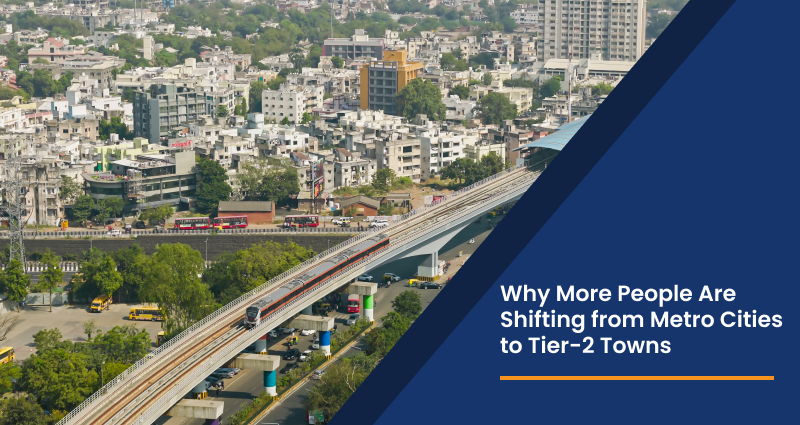
Why More People Are Shifting from Metro Cities to Tier-2 Towns

Over the past few years, quietly but steadily, migration has been a trend in India – a larger number of professionals, startups, and families are moving from metro to Tier 2 city areas. The attraction of the small towns, together with their modern conveniences, upgraded facilities, and low-priced living, has become impossible to resist. This change not only redefines urban life but also transforms the population distribution across the nation, whether for the sake of saving money, working remotely, or simply desiring a better lifestyle.

The Big Picture – What’s Driving the Move from Metros to Tier-2 Towns

1. The Burden of Metro Living

Life in metro cities like Mumbai, Delhi, Bengaluru, or Chennai consists of high expenses and stressful commutes. The comparison of the cost of living in tier 2 vs metro areas very clearly points to the smaller towns as the winner with their low housing, utilities, and lifestyle costs. Crowded spaces, pollution, and rent inflation have pushed many to seek peaceful, affordable alternatives.

2. Remote Work & Flexible Careers

The remote working revolution is changing where people choose to live. Professionals no longer need to stay near offices and, therefore, remote work in tier 2 towns is a valid option. These cities offer reliable internet as well as co-working spaces and a supporting ecosystem for freelancers and entrepreneurs.

3. Growing Infrastructure & Job Opportunities

Many of the tier 2 cities in India are gaining momentum as business hubs, with Indore, Coimbatore, and Surat being some examples. The new job opportunities in tier 2 cities due to increased connectivity, industrial development, and smart city projects have given people the option to settle in those cities and build up sustainable careers instead of moving to metro cities.

Advantages of Tier-2 Towns: Why People Are Choosing Them

  • Affordability & More Space

The most significant factor in why people are moving to Tier 2 cities is the lower cost of living in Tier 2 vs the metro comparison. Housing and utilities cost considerably less, and families can live in big apartments, which also leads to lower daily expenses. The financial room to breathe leads to better saving and investing opportunities.

  • Superior Living Conditions and Social Interaction

The advantages that Tier 2 cities bring are enormous: cleaner air, shorter commuting time, and people living close by all contribute to a much more balanced life. Besides, a lot of people consider such places to be much safer and more appropriate for kids and seniors.

  • Work-Life Harmony and Flexibility

With reduced travel and flexible options to work, there is more time left for personal growth. Living in a quiet atmosphere promotes good health, away from the noisy and stressful life of cities.

  • Investment Potential & Future Growth

The movement from a major city to a second-tier town is considered to be a tactical investment for many people in India. Real estate is still affordable while being poised for appreciation as businesses and infrastructure are in expansion mode. In fact, early movers are likely to benefit from both comfort and long-term value.

Key Considerations Before Making the Move

Relocation is not all about affordability but rather about finding the right fit. Before one decides to move, they must choose between tier cities in India based on job options, lifestyle preferences, and long-term goals.


  • Job Market Realities & Commuting Needs: It’s true that the options are becoming broader, but still, some sectors are relying on the metro areas.
  • Infrastructure, Healthcare & Education: In case you live in an area with children or elderly members of the family, do not lower your expectations for the quality of service in that area.
  • Lifestyle Trade-Offs & Social Network: A small town will likely not have the same level of entertainment and/or social network compared to a large metropolitan city.
  • Long-Term Planning and Future Value: Weigh the location in terms of career development, real estate investment, and the distance and nearness to important hubs.

Real-Life Stories & Emerging Cities to Watch

The migration trend to smaller towns is mainly spearheaded by the young professionals and the Gen Z. They view Mysuru, Kochi, Lucknow, and Bhubaneswar as the ideal mix of opportunity and comfort. These tier 2 cities of India are turning into self-supporting centres with all the benefits working from a startup ecosystem to the cultural vibrancy- all perfect for new beginnings.

Conclusion

The migration from metro to tier 2 relocation in India is not a passing phase; rather, it’s a transformation in how Indians view success, comfort, and lifestyle. As more people seek balance and affordability, this shift will only grow stronger. 

If you are planning to move, rely on Firstpick as one of the most dependable moving partners in India. With professional Packers and Movers in Bangalore, Packers and Movers in Hyderabad, Packers and Movers in Chennai, and Packers and Movers in Mumbai, we will make the relocation process safe and hassle-free for you. If you want more information, please visit our site.

Dorm Room Essentials & Packing Tips for a Stress-Free College Move-In

Relocating for higher studies is exciting but can be stressful especially when it comes to packing and organising your dorm room essentials. Settling in means making your new space feel comfortable which boosts productivity. FirstPick is one of the best packers and movers in Chennai, that understands this challenge and provides expert solutions to make the process seamless and stress-free. This blog will help suggest the best dorm essentials for college to start the next chapter with confidence.

Essential Dorm Room Items for College Students

  • Must-Have Dorm Room Essentials List

Preparing a checklist of dorm room essentials ensures you have everything you need from day one. Pack bedding, sheets and pillows for a sound night’s sleep then pack your college supplies like notebooks, pens, a laptop and its accessories. Also, storage solutions should not be overlooked in your packing list because boxes and organisers help avoid clutter.

  • Kitchen and Food Essentials for Dorm Life

Even if your dorm has canteens, don’t rely on them entirely as meal timings may clash with classes. To avoid missing meals, packing small appliances like a mini fridge, kettle or hotplate if allowed helps you store and prepare quick meals. Include utensils, reusable water bottles and non-perishable items like granola bars and noodles to have something handy.

  • Personal Care and Hygiene Products

You must not overlook your hygiene as staying clean directly impacts your overall well-being. Carry bathing items such as towels, slippers and toiletries including toothbrush, toothpaste and soap. Also, keep major health supplies handy like a first aid kit, thermometer and prescribed medicines.

Packing Tips for a Stress-Free College Move-In

  • How to Create an Efficient Dorm Room Packing Checklist

The first step is to break down your items into categories like bedding, study, hygiene, self-care and kitchen. Next, mark them off from your college move-in checklist as you pack to avoid last-minute scrambles. It is also important to review your list against the prohibited items at your campus or new dorm. Finally, labelling your boxes helps in the quick unpacking of essentials first when you arrive.

  • Space-Saving Packing Hacks and Techniques

Dorm rooms often have limited space but smart packing tips can help you maximise storage. Rolling clothes neatly instead of folding saves space in storage boxes. Next, use stackable storage boxes as they are perfect for cramped corners. Additionally, multipurpose items like collapsible tables for work and meals help save space.

Organising Your Dorm Room After Move-In

  • Setting Up Your Study and Sleep Areas

Productivity starts at home and well-organised spaces can kick-start your college life smoothly. FirstPick Packers and Movers in Bellandur spend extra time unpacking essentials and arranging them for convenient use. When your room is organised, creating a well-lit study corner and a comfortable sleep space makes daily life easier and more productive.

  • Tips for Maximising Small Dorm Room Space

To maximise your limited space, the dorm storage solutions include vertical racks, stackable boxes and hanging shelves. The next thing would be to declutter regularly and discard wasteful items that might be hogging up space.

FAQs

What are the absolute must-have items for a dorm room?
  • Daily essentials: clothes, bedsheets, blankets, toiletries, towels and important documents.
  • Study essentials: laptop, chargers, backpack, stationery and course materials.
  • Extra conveniences: snacks, water bottles and a small medicine kit.
How can I pack efficiently for a small dorm room?

Use smart storage solutions:

  • Under-Bed Boxes
  • Vertical Shelves
  • Multi-Purpose Furniture
  • Rolling Or Vacuum-Sealing Clothes
How early should I start packing for college move-in day?

Start about a month in advance to organise, buy missing items and reduce last-minute stress.

Can I share dorm room essentials with roommates?

Yes, coordinate with roommates to share items that save up money, space and prevent duplicates.

New Home Grocery List: What to Stock Immediately After Relocating

Moving to a new location can be a stressful endeavour, demanding careful planning and execution. FirstPick Packers and Movers understands this pain and their strategic partnerships with moving specialists help you in the new step of life. If you’re relocating to Mumbai, our network of packers and movers in Andheri West can handle your packing, moving and organising smoothly.

A big part of feeling at home is a comfortable bed and a functional kitchen. Here is a guide of essential groceries for new home to help you get started.

Must-Have Pantry Staples for Your New Home

  • Essential Dry Goods and Non-Perishables

While relocating, it’s hard to build a full inventory immediately so start with staples for basic meals. It includes rice, instant noodles, pasta, canned fruits and vegetables along with cereals like oats and peanut butter. These items are versatile and long-lasting so you can either pack them before moving or shop quickly after arrival.

  • Basic Spices, Herbs, and Condiments

You cannot function efficiently on an empty stomach so basic spices like salt and pepper are essential for every meal. Certain spices like garlic powder, cumin and chilli powder can enhance flavour while condiments like ketchup, mustard and hot sauce make basic meals tastier.

Fresh Produce and Refrigerated Items to Buy First

  • Fresh Fruits and Vegetables for Everyday Use

Once you have settled in and installed your kitchen appliances, it is time to get the seasonal fruits and vegetables. Preferably, the ones that can be easily stored like apples, carrots, potatoes and leafy greens.

  • Dairy, Eggs, and Protein Options

Don’t ignore your health during relocation; focus on nutrition and protein. Dairy like yoghurt and milk is nutritious and versatile for healthy snacks and meals. Some healthy sources of protein are eggs and deli meats for non-vegetarians and paneer and tofu for vegetarians.

Quick Meals and Snacks for Immediate Needs

  • Ready-to-Eat Foods for Busy Days

Relocating can be challenging and you might skip meals. To counter such busy days, add snacks like frozen meals, instant noodles, bread, ice cream and granola bars to your grocery list.

  • Beverages and Essentials

Packing reusable water bottles, a tea and coffee kit and a blender for making smoothies that will help keep energy high during busy days.

Tips for Smart Grocery Shopping After Moving

  • How to Create an Efficient Grocery List for a New Home

The number of required items can be overwhelming and missing essentials leads to extra shopping trips. So, start by creating a new home grocery list with broad categories to avoid duplicates and omissions. Next, prioritise essentials like milk, eggs, bread, rice and toilet paper. Finally, tally the list with your belongings to identify what’s missing and prevent waste.

  • Budget-Friendly Grocery Shopping Tips

Relocating is an expensive project and budget constraints are common. Inducing budget-friendly tricks like setting a spending limit, comparing prices and visiting local markets for fresh produce helps greatly lower expenses.

  • Storage and Organisation of Groceries in a New Kitchen

Our packers and movers in Secunderabad can help with moving, unpacking and setting up your kitchen efficiently giving you a stress-free start. Once your space is ready, focus on home grocery organisation with stackable containers, reserve fridge sections for perishable items and label everything to keep your kitchen tidy.

FAQs

What fresh produce lasts longest after moving?
  • Room temperature (dry storage): garlic, onions and potatoes
  • Refrigerator: broccoli, cauliflower, beets and carrots
What are common mistakes to avoid when stocking a new home pantry?
  • Focusing only on snacks and treats
  • Neglecting essential staples
  • Overbuying perishable items
What are the absolute must-have groceries for a new home?
  • Rice
  • Pasta and Its Sauce
  • Canned Foods
  • Peanut Butter
  • Breakfast Cereal
  • Salt & Pepper

Moving Musical Instruments Made Easy: Safe Packing Tips for All Instrument Types

Moving musical instruments isn’t just about packing them in a box; it’s about preserving their sound, value and condition. Whether it is a sleek electric guitar, a delicate violin or a drum kit, instruments are more than objects.

At FirstPick, we understand that relocating them requires more than bubble wrap and tape. As one of the most trusted packers and movers in Bandra West, we ensure care, strategy and a whole lot of harmony. We are not just local; we’re everywhere you need us. With offices in Bangalore, Chennai, Hyderabad, and Pune, we proudly deliver top-notch moving services.

In this guide, we will walk you through safe packing tips for all instrument types so you can hit the high notes without missing a beat!

Why Proper Packing is Crucial When Moving Musical Instruments?

Musical instruments aren’t just everyday household items; they are sensitive, intricate and often irreplaceable. Improper packing can result in damage that’s costly to repair or sometimes even impossible to fix.

1. Fragility and Sensitivity of Instruments

The musical instruments are designed with precision and are highly sensitive to changes in impact, pressure and temperature. Even small bumps in transit can lead to misalignment, cracks or broken components.

2. Cost and Emotional Value

From pianos and violins to flutes and electric guitars, musical instruments often represent financial investments and deep emotional value. Many are passed down through generations or customised for specific needs. Losing or damaging them can be heartbreaking.

At FirstPick, your instruments are in safe hands. We respect their value and handle them with the care they deserve. With our expert instrument relocation services, secure transport and doorstep delivery, we ensure you never have to worry about anything.

General Packing Tips for all Musical Instruments

When you’re packing a musical instrument, these universal packing tips will keep it safe, secure and move-ready.

1. Clean and Tune Your Instruments Before Moving

Before packing, gently clean your instrument. For string instruments, loosen the strings slightly to prevent tension-related damage during temperature shifts. For wind instruments, disassemble parts and clean them to avoid residue buildup during transport.

2. Label Boxes Clearly

Clearly mark each box and indicate which side should face up for the safe transport of string instruments and other instruments. This alerts movers to handle the boxes with care, helping to avoid orientation-related damage.

2. Avoid Extreme Temperatures

Instruments are sensitive to extreme temperatures (heat, cold and humidity). Avoid leaving them in hot moving trucks or exposed to freezing temperatures. Use climate-controlled vehicles for long distance moves.

How Professional Packers and Movers Handle Musical Instrument Relocation?

Hiring one of the best packers and movers in Miyapur or your preferred location ensures that your instruments are handled with utmost care, from packing to delivery.

1. Expertise in Fragile Item Handling

Professional movers and packers are well-trained to handle delicate items with care. They know the exact padding, casing and strapping techniques required for specific musical instruments to ensure their safety.

2. Insurance and Liability Coverage

Top movers and packers professionals like FirstPick offer comprehensive insurance plans that cover potential damage during the move. This gives you peace of mind, knowing that your valuable instrument is protected.

Tips for Unpacking and Setting up Instruments After the Move

Rushing to unpack might do more harm than good. Don’t worry – we’ve got you covered with some effective tips to unpack and set up your instruments safely.

  • Inspect Thoroughly: Before setting up, inspect the instrument for any signs of damage or misalignment.
  • Let the Instruments Acclimate: Allow the instruments a few hours to adjust to the new environment, especially for wood-based instruments that are sensitive to humidity.
  • Tune and Test: Reassemble, tune and test the instrument. If it doesn’t sound right, consult a technician for recalibration.
  • Reorganise Smartly: Set up your instruments in areas having stable temperature and humidity, away from direct sunlight or vents.

FAQs

What materials are best for packing fragile instruments?

Bubble wrap, foam padding, packing paper and sturdy boxes are the best choices. Avoid using newspapers, which can leave ink stains.

How should I prepare my instruments for long distance moves?

Loosen strings or tensioned parts, use climate-controlled transport and cushion them well inside the cases.

How do I protect my guitar during a move?

Use a hard case, loosen the strings and wrap the headstock and neck in bubble wrap.

Conclusion

Moving musical instruments doesn’t have to be stressful. With the right preparation and the help of trusted professionals, you can ensure your cherished instruments arrive safely and soundly.

For the best musical instrument shifting or house shifting service in Chennai, FirstPick is the right choice for all your shifting needs! We are also available in Bangalore, Hyderabad, Mumbai and Pune. Let us handle your move so you can focus on your music, not managing stress. Contact us now for a free quote and expert advice tailored to your musical instrument relocation needs.