How to Move Abroad from India: A Complete International Relocation Guide for 2025

If you are thinking of moving abroad from India in 2025, you’re definitely not alone. Every year, millions of Indians move overseas for better career opportunities, improved quality of life, global education or simply the chance to experience something new. However, the idea of living overseas is exciting; the relocation process can feel complex and overwhelming without proper guidance. Explore the blog to get a hang of how to move abroad from India with the checklist to stay organised and avoid last-minute stress.

Why You Should Plan Ahead for an International Move

When handled early, planning provides you with the time and flexibility to manage each task without feeling pressured or making costly mistakes.

The Scope of an Overseas Move vs. Domestic Relocation

A domestic relocation means moving within India which is typically simple involving quick transit times, familiar regulations and minimal paperwork. In contrast, an international relocation operates on a fundamentally different scale with immigration laws, customs regulations, international shipping requirements and import restrictions based on your destination.

Common Challenges Indians Face When Relocating Abroad

  • Failure to account for shipping, insurance, temporary accommodation and currency conversion leading to unexpected costs.
  • Choosing the wrong visa that results in delays, fines or deportation due to restrictions on where you can live, work and relocate with dependents.
  • Several nations limit imports of secondhand electronics, lithium battery-powered devices, food, pharmaceuticals and antiquities necessitating advance customs planning.

Pre-Move Checklist — 6 to 12 Months Before Departure

Planning six to twelve months is essential, as International Relocation involves interlinked legal, financial, housing and family decisions that require long lead times.

Research Your Destination Country Thoroughly

The first and foremost step is to decide in which country or location you want to relocate, then consider important factors like climate, lifestyle, job possibilities, language, healthcare, education and expat presence. If you are relocating with your family then schooling and access to medical care are also key considerations. At the same time, research financial systems, internet availability, mobile services, utilities and everyday expenses to get a realistic idea.

Check Passport, Visa & Immigration Documents

After you’ve decided on a place, check your passport and visa to see if you’re eligible to enter, stay and work in another country. Therefore, it is best to start early and apply for the correct visa type whether for employment, study, family or long-term residency. Also, immigration rules are strictly enforced and documentation errors can delay or cancel a transfer making careful planning essential to staying on schedule.

Plan a Realistic Relocation Budget

You need to start financial planning with proper budgeting since foreign relocation costs include visa fees, flights, housing deposits, interim housing, insurance and optional services such as pet or vehicle transfer. Adding to it, freight rates might fluctuate owing to fuel costs or global conditions thereby keeping a buffer to avoid stress.

3–4 Months Before: Logistics, Decluttering & Arrangements

When you have three to four months in hand before departure that is the time to focus on logistics, decluttering and key arrangements to organise essential services.

Choose a Reputable International Relocation Service (or Shipping Plan)

With deadlines looming, choosing experienced International Relocation Services is a blessing as they ensure safe and efficient handling. FirstPick is your best choice for connecting with expert packers and movers in Mumbai for seamless international relocation. Their vendors understand customs, handling standards and shipment schedules minimise documentation errors, mislabeling and delays reducing costs and stress.

Declutter, Downsize, Inventory Your Belongings

Once logistics have been confirmed, work on minimising shipment volume since increased weight and size directly affect shipping costs. As a result, declutter to decide what to transport, store, sell or donate. Follow freight forwarding tips for relocation by packing properly, labelling accurately, complying with customs and avoiding heavy or incompatible items with foreign voltage standards.

Gather & Digitise Important Documents

At this stage for moving abroad from India checklist involves securing all vital papers such as passports, educational credentials, medical data, insurance policies and legal documentation by digitising them and securely storing backups. Plan for an international or local SIM card and download important banking, navigation and travel apps before leaving to ensure ongoing access to services before and after your relocation.

1–2 Months Before Move: Final Preparations

As your move date inches closer, the overwhelming task of moving can make you hyperventilate and last-minute confusion adds to the nightmare. So, opt for FirstPick to get access to the best packers and movers in Hyderabad providing smooth international relocation services by forming a detailed plan and providing useful insights.

Healthcare & Medical Preparations

Scheduling regular health checkups and getting necessary vaccines before you decide to move can greatly lower the risk of unforeseen health complications. Further, carrying your medical history, prescriptions and vaccination certificates can help you shift to your new health care provider without any delay.

Banking and Financial Transition

Managing financial accounts should be one of your top priorities. Consult banking advisors before relocating internationally to get important tips to avoid any transaction issues. Also, consider opening an NRI account to avoid any currency exchange rate fluctuations as you might be earning and spending in a different currency.

Inform & Wrap Up Affairs in India

Cancelling subscriptions, transferring utilities and updating service providers takes longer than you would expect. It is always a good idea to inform local authorities and providers about your relocation plans to clear dues and file necessary documents to end your affiliation with the department. Make sure you have paid your dues or have shifted the liability to the new owner to avoid any unnecessary complications.

Final Few Weeks & Days — What to Do Before You Fly

As moving day approaches, the tension rises due to the sheer magnitude of the workload and the stress of shifting to a new location. Choosing a trusted relocation service in Bangalore like FirstPick helps ease the former issue as their experienced professionals assist in formulating an extensive plan and give regular updates like cargo tracking to ease your stress.

Confirm Travel Plans & Accommodation Abroad

Double-checking on flight details, transport arrangements and long or short-term housing arrangements is an often-overlooked task. With a massive bundle of relocation tasks, any discrepancy in these trivial tasks can disrupt your move so run a thorough check-up and stay well ahead of an unavoidable disaster.

Pack Smart — Carry-on Essentials & First-Night Bag

Pack smarter by preparing a list of essentials like important documents and medications so that they are easier retrieve and make relocation convenient. Furthermore, making a bag for your personal items for the first night helps you seamlessly settle into your new location which is one of the common yet effective packing tips.

Final Checklist — House & Belongings Closure in India

Before leaving, spend some time tying up all the loose ends to avoid any problems in the future. This includes combing through your property to ensure nothing essential is left behind, transferring asset responsibilities, obtaining necessary NOCs and legal documents while paying due attention to financial records and funds.

After Arrival — Settling In & Post-Move Checklist

Upon arrival, you are flooded with several tasks like unpacking and completing legal formalities where support from reliable overseas relocation services in India can make the transition easier. FirstPick provides a comprehensive destination with their vendors sharing workload by helping unpack and arrange belongings at your new destination.

Register with Local Authorities & Open Local Bank Account

If required, register yourself with the local authorities and update them about your visa to get residential permits. Next, you should contact a local bank to open a bank account so that you can transfer funds and start managing your finances.

Health, Insurance & Local Compliance

You should check with your insurance providers at your new location to confirm coverage and understand local healthcare procedures to access the necessary services. Sometimes, different countries have varying laws and rules that can disrupt essential services so staying well-informed can go a long way in avoiding any unnecessary complications.

Social Integration & Cultural Adaptation

With all the work at your new location, a lack of human contact can make you uneasy as it takes away the feeling of being at home. It is heavily advised to learn key phrases, greetings, local customs and socially acceptable behaviour to build relationships, adapt emotionally and socially.

Financial & Tax Planning for NRIs

Financial uncertainties can take a major toll on your life as it not only limits your ability but also hamper your ability to sustain necessities. Understanding local taxation, pensions and investment rules helps avoid any unforeseen liabilities that eat into your funds. Proper planning ensures financial stability to invest in securing your future.

Conclusion

Ultimately, a successful international move depends on preparation and the right support system amid complex regulations and tight timelines. By entrusting packing, shipping and customs to experienced international movers like FirstPick, the moving process is far more manageable. They connect you with vetted experts while providing added benefits like secure storage and a dedicated move manager to ensure the safety of your goods so you can focus confidently on starting your next chapter abroad.
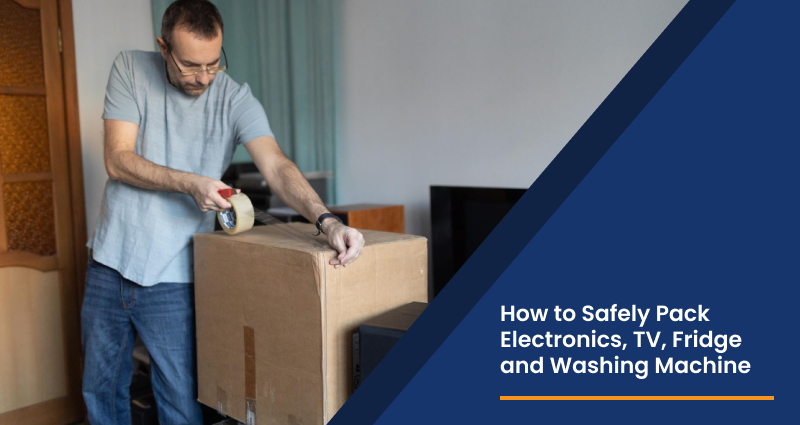

How to Safely Pack Electronics, TV, Fridge and Washing Machine

A change of residence is not just about having to go through the hassle of moving boxes, but it is also a matter of taking good care of valuable and sensitive items. Today’s residences have electronics and appliances that are expensive, delicate, and difficult to replace. Being aware of the best approaches to packing electronics safely for a move will spare you unnecessary stress and distress. This blog discusses the best strategies for ‘how to pack a TV for moving’, along with techniques for making heavy appliances easier to move.

Why Proper Packing Matters for Electronics & Appliances

Electronics are made with comfort in mind, not mobility. Malfunctions in screens, internal circuits and sensors may be caused by vibration, moisture or impact. The weight of large appliances and their internal components makes them more prone to risks. Careful packing of home appliances for moving will ensure their protection in transit.

  • Fragility and Value of Modern Electronics

Smart TVs, laptops, and audio systems have very delicate parts, and these can be damaged from slight shocks. Understanding how to pack delicate electronics will go a long way in promoting their performance during the relocation process.

  • Cost of Damage and Replacement Hassel

Replacing a broken screen or a faulty compressor can take a significant amount of time and money. Following professional appliance packing tips on how to pack your devices would result in a significant reduction of costs in the long run. 

Preparation for the Move – Pre-Packing List

  • Inventory, Documentation, and Data Backup

Make a checklist of all the electronic devices. Take photos of the electrical connections and the serial number of the item, and save valuable data. Such measures are quite necessary at the time of shipping sensitive electronic devices during relocation.

  • Gathering Packing Materials & Tools 

Use original packing boxes, if available. Then, stack the cartons, bubble rolls, foam sheets, stretch wrap, zip ties, and labels accordingly. Good packing materials form the basis for securely moving electronics.

Step-by-Step: Packing Electronics & Smaller Devices (TVs, Computers, Audio Equipment)

  • Disconnect, Clean, and Document Connections

Switch the devices off, unplug cables, and let them cool. Wipe off dust and take photos of the rear connections. This practice simplifies reinstallation and supports moving tips for electronics and appliances.

  • Wrap, Cushion & Box Devices Separately

Wrap each piece of equipment in anti-static material and add bubble wrap. Set items upright in well-cushioned boxes. This is an effective technique for ‘how to pack fragile electronics’.

  • Cable & Accessory Organisation

Bundle cables separately and label them clearly before placing them in sealed pouches. Also, avoid putting accessories inside device boxes, as pressure during the packing of delicate electronics can cause damage.

  • Special Care for TVs & Screens

Never let a TV lie flat. Corner protectors should also be applied, and screens kept upright. Knowing how to pack a TV for moving can minimise the occurrence of cracks, pressure marks, and internal damage.

Moving Large Appliances – Refrigerator and Washing Machine

  • Empty, Clean, and Detach Removable Parts

The refrigerator needs to be defrosted at least 24 hours before moving. Remove water hoses from the washing machine and remove the removable trays or filters. This is an important step when learning safe packing for the fridge and washing machine.

  • Wrap, Cushion, and Secure Before Transport

Appliances such as fridges and washing machines should be covered with thick blankets and stretch wrap. For added protection, you can use cardboard panels. This allows for moving without any damage to the items.

  • Stabilise Interior Components & Secure Doors

If you want to avoid any unwanted internal movements of drums, compressors, and shelves, use moving bolts or cushioning. Close the doors carefully with packing tape. This is an essential part of the procedure for ‘how to pack a washing machine for moving’ without causing any problems inside.

  • Loading & Transport Challenges posed by Heavy Appliances

Appliances should always be transported upright by using trolleys and straps. Incorrect positioning might cause harm to the compressor and the motor. Professional teams know the positioning required in packing home appliances for moving through narrow corridors and staircases.

Tips & Best Practices to Reduce Risk

  • Make all the boxes clearly labelled as “Fragile” and identify the correct upright position to avoid them being handled wrongly. 
  • Do not overload the boxes, as this will increase the likelihood of the item inside being damaged.
  • To enhance the protection of appliances, use suitable cushioning in addition to quality boxes and sealing.
  • By adhering to professional moving tips for electronics and appliances, the shocks, vibrations, and handling mistakes during the moving process are significantly reduced.

Common Mistakes to Avoid

  • The newspapers cannot be used directly on the screens because they scratch and leave ink stains. 
  • Failure to defrost the fridges or drain the washing machines results in water leakage and damage.
  • Mixing cables with devices, poor labelling, and last-minute packing increase the risk, especially when packing delicate electronics without proper planning.

Conclusion

A safe move depends on knowledge, preparation, and the right support. Whether you are relocating within the city or across neighbourhoods like packers and movers in Koramangala, packers and movers in KR Puram, Packers and Movers in Bellandur, or packers and movers in Hebbal, professional assistance makes a real difference. FirstPick Packers and Movers combine expertise, quality materials, and trained handling to ensure your electronics and appliances reach their destination safely. If you are searching for reliable Packers and movers in Bangalore, we are dependable for a smooth and damage-free relocation.


Best areas to live in Hyderabad with Family

Hyderabad is slowly changing into one of the friendliest cities for families  among all of India’s metro cities. The city is famous for its rich history, increasing IT hub, and well-organized layout of its architecture and design. Hyderabad is a hub of modern living with rich fraternity offerings; with some of its best living areas ranging from high-end gated communities to serene residential suburbs, there is much for families to choose from based on their needs and their affordability levels and needs too. Selecting the right living areas in Hyderabad is much more than just relating them to their cost; much more pertains to their convenience and their potential future growth, too.

What Makes a Neighbourhood “Family-Friendly” in Hyderabad

A family-friendly locality means much more than good-looking housing. Safety, cleanliness, access to good schools, hospitals, parks, and grocers are a must. Most residential areas in Hyderabad have come up with gated societies, providing playing zones for kids, walking tracks, and community halls for interaction. Equally necessary is ease of connectivity to places of work and public transportation. These factors put together define truly good residential areas in Hyderabad where families can comfortably live.

Best Residential Areas for Families in Hyderabad

  • Banjara Hills – Luxury Living with Heritage & Convenience

Banjara Hills is synonymous with high living. In fact, with high-end villas, upscale apartments, luxury shopping, and highly reputed hospitals, it continues to be among the most sought-after posh areas in Hyderabad. The central location and refined lifestyle of the locality further make it one of the most developed, affluent societies in Hyderabad, perfect for families who want a blend of exclusivity and convenience.


  • Jubilee Hills – Upscale yet Serene, Balanced Lifestyle

Jubilee Hills features a quieter, greener environment while being proximate to the major business hubs. The huge houses, excellent educational institutions, and parks and other leisure areas have made this place one of the most loved rich areas in Hyderabad for those families who love to live privately but at the same time want to be near the world. 


  • Gachibowli – Ideal for IT Professionals & Young Families 

Gachibowli is one of the best places where workers from the IT corridor can stay. It is the place that has all modern amenities, including apartments, good schools, sports complexes, and shopping malls. Also, the best packers and movers in Gachibowli available make the moving process easy when relocating in Gachibowli.


  • Kondapur – Mid-Range, Family-Friendly Suburb With Growth Potential

Kondapur is famous for providing a balanced lifestyle. The location offers affordable housing, good transport links, and a short distance from educational and medical institutions. In the list of new and upcoming residential pockets in Hyderabad, Kondapur is one of the suitable places for a comfortable lifestyle at reasonable costs for families.


  • Madhapur/HITEC City – For Work-Life Balance and Urban Convenience

Living close to work is always a great benefit in terms of quality of life. This is exactly what is offered to professionals by the presence of Madhapur and HITEC City, where they can reduce their travel time to work while getting exposed to city-life amenities. This is a great reason to list this region as the best area to live in Hyderabad. 


  • Kukatpally/Miyapur/Lingampally – Budget-Friendly & Well-Connected Suburbs for Value Seekers

Such areas of Hyderabad are famous for being budget-friendly, having metro connectivity, and being convenient. Such areas are still one of the best residential areas of Hyderabad for people with a medium budget. One can get reliable services of Packers and Movers Kukatpally for smooth relocation.


  • Manikonda/Narsingi/Kokapet – Emerging Suburbs With Long-Term Potential

The rapid development of infrastructure and proximity to commercial areas made these places quite appealing. New gated communities, roads, and utilities are making these areas slowly but surely the richest and most technologically developed areas of Hyderabad. With the help of trusted Packers and Movers Manikonda, many families who are moving here enjoy a smooth transition.

How to Choose the Right Area for Your Family – Factors to Consider

Start by articulating your parameters, which may comprise budget, locations closer to workplaces, a preferred school, and lifestyle, including growth in terms of infrastructural development and value addition in property. Although established towns provide security, newer suburbs are better in terms of space and value for money. To ensure a balance between comfort and investment, it is essential to compare the best areas to live in Hyderabad.

Quick Comparison Table (Neighbourhoods vs What They Offer)

  • Banjara Hills/Jubilee Hills: Luxury residences, high-end schools, centrally located.
  • Gachibowli/Madhapur: IT proximity, modern lifestyle, social infrastructure
  • Kondapur: Balanced pricing, steady development
  • Kukatpally/Miyapur: Affordable homes, metro connectivity
  • Manikonda/Kokapet: Emerging hubs, long-term growth potential

Tips for Families Relocating to Hyderabad

  • It is essential to have a well-planned move so that you don’t end up paying for the peak-season prices. 
  • Shortlist good Packers and Movers in Hyderabad so that your household items can be safely shifted. 
  • Get rid of unwanted items, label your packets, and arrange for your utilities well in advance.

All these will help you shift into a good residential area in Hyderabad with ease.

Conclusion

Hyderabad boasts neighborhoods for various types of families, ranging from luxurious to economically feasible residential choices. Knowing your requirements and the character of each locality, you will be able to confidently make a decision to choose the best area to live in Hyderabad with your family. FirstPick offers professional moving solutions to support you at every step, hence making a smooth and reliable relocation, presenting you with a seamless start to life in Hyderabad. For more information about our services, visit our official website.

Best Posh Areas In Bangalore (Residential Areas In Bangalore) for Luxury Living.

Bangalore, often known as the “Silicon Valley of India,” is undoubtedly a highly sophisticated city of style and comfort. Over the last few decades, this lively city has undergone a major change, becoming the birthplace of Bangalore’s posneighbourhoodshoods which by nature, are full of luxury, elegance, and a cosmopolitan lifestyle. 

The various upscale neighbourhoods in Bangalore, consisting of quiet tree-lined streets with traditional bungalows, to modern high-rises and exclusive gated communities, have drawn sophisticated homebuyers and investors looking for comfort, connectivity and elegance.

The Appeal of Luxury Residential Areas in Bangalore

  • Characteristics of Luxury Areas

The luxury residential areas in Bangalore have different aspects like attractiveness, security, and the lifestyle of the rich. It consists of luxurious apartments, beautiful villas, and tree-lined gated communities, supplemented by all modern facilities. Generally, a well-planned road network, excellent civic facilities, luxury malls, reputed schools, and fine dining mark the upscale areas of Bangalore. The luxury neighbourhoods would cater to a specific demographic that values privacy, amenities, and sophistication. 

  • Reasons for Homebuyers & Investors 

Purchasing a residence in one of the most esteemed neighbourhoods in Bangalore is not just about having a lavish abode, but rather a smart investment as well. The most posh areas in Bangalore enjoy strong property appreciation due to consistent demand from professionals and NRIs alike. Great connectivity, infrastructure, and safety are several other attributes that will make these areas equally attractive for both the end-users and the investors who are looking for a secure long-term investment.

Luxury Living in Bangalore’s Top Posh Areas

  • Indiranagar (East Bangalore)

Indiranagar is one of the elite areas in Bangalore that brings all the modernity together with the legacy. Trendy cafes, designer boutiques, and elegant villas make it an ideal destination to live a perfect lifestyle for urban professionals. Its proximity to MG Road and the city centre makes it ideal for those seeking luxury living in Bangalore without compromising on connectivity.

  • Koramangala (South-East Bangalore)

Koramangala has remained one of the most vibrant, rich areas in Bangalore, balancing old charm with a youthful energy. The area is now filled with tech start-ups, high-end apartments, and fine dining restaurants. It is also the perfect place for young professionals because of the excellent infrastructure and great connectivity. If you are moving in, there are packers and movers in Koramangala to help you with the relocation and set up.

  • Jayanagar (South Bangalore)

Jayanagar is another reason Bangalore is known for having well-planned residential neighbourhoods, with sprawling internal roadways, green parks, and quiet neighbours. Families like this area because of its community vibe, the presence of good schools, and healthcare. This offset neighbourhood area represents old-school living with the combination of tradition and comfort level feel with modern sensibilities.

  • Sadashivanagar (North-West Bangalore)

Sadashivanagar is an address synonymous with exclusivity, being amongst the most posh areas in Bangalore. Housing some of the city’s most influential personalities amidst sprawling bungalows with lush surroundings, it is a true example of elegance and privacy. This makes it stand as one of the most desired premium localities in Bangalore.

  • Whitefield (East Bangalore / IT Corridor)

From being a quiet suburb earlier, Whitefield has emerged as one of the most sought-after luxury residential areas in Bangalore. The area has best-in-class international schools, IT parks, and shopping malls and is good for the IT professionals to not only work in the IT corridor but also enjoy the luxury living in Bangalore. Relocation here can be done pretty easily with trusted packers and movers in Whitefield, making the experience completely stress-free.

  • HSR Layout (South-East Bangalore)

HSR Layout is one of the most well-planned posh areas in Bangalore, consisting of modern housing, greenery parks, and proximity to large commercial zones. Therefore, it is turning out to be a perfect destination for IT professionals with an ideal blend of work-life balance. Shifting here can be efficient and easy with experienced packers and movers in Bangalore.

  • Malleshwaram (North/Central Bangalore)

Malleshwaram represents the soul of old Bangalore, embracing growth and modernisation. It remains one of the richest neighbourhoods in Bangalore in terms of culture. It is characterised by temples, old traditions, and days of tree-lined streets to wander through. With excellent transportation and a friendly neighbourhood, this is still a preferred place among people who appreciate the mixture of heritage and comfort.

  • Hebbal (North Bangalore / Airport Corridor)

Hebbal has been in speedy development for the last few years and stands as one of the most posh residential areas in Bangalore. Hebbal is close to Kempegowda International Airport and high-end residential towers. This makes it a strategic choice for professionals. Amongst all, trusted packers and movers in Hebbal play an important role in providing relocation support skillfully.

  • Rajajinagar (West / Central Bangalore)

Rajajinagar is among the best posh areas in Bangalore for families to stay, located strategically between old and new Bangalore. It has excellent connectivity, a host of shopping centres, and luxury apartments, hence an attractive blend of traditional values combined with modern infrastructure.

How to Choose the Right Luxury Residential Area in Bangalore

  • Fit Lifestyle & Priorities 

Each high-end neighbourhood is either specifically family-friendly or is concentrated on attracting young professionals: Indiranagar & Koramangala are known for young professionals; Jayanagar & Malleshwaram are family-friendly. So, understanding your lifestyle is the main factor in picking one of the luxury residential locations in Bangalore.

  • Evaluate Real Estate & Investment Potential

Look at the trends in appreciation, infrastructure development, and the future projects planned. Premium hotspots in Bangalore will deliver a better return due to steady demand for housing and development in the area.

  • Lifestyle & Community Fit

While some upscale neighbourhoods of Bangalore are bustling with social life, others have been highly quiet and exclusive. The choice of community is totally based on your lifestyle and comfort zone.

  • Practical Considerations

Above all, connectivity, proximity to schools, hospitals, and office zones are crucial. Connectivity, combined with the superior quality of life in the best posh areas of Bangalore, attracts investment.

Investment vs End-Use: What’s Right for You?

If you are an investor, the poshest areas in Bangalore promise high rental yields and good capital growth. For the end-users, rich areas in Bangalore provide a safe, comfortable, and fulfilling lifestyle surrounded by modern amenities. In either case, high-end real estate in Bangalore offers long-term rewards. 

Conclusion 

Whether you want to invest, upgrade your lifestyle or simply relocate closer to Bangalore’s live business districts, here are some of the best posh pockets in terms of infrastructure, connectivity, or level of luxury. From the bustling streets of Indiranagar to the peaceful neighbourhoods of Sadashivanagar, the stories of sophistication and growth can both be found.


If you are considering moving to one of these luxurious spokes of Bangalore, then Firstpick is an ideal choice for you. We offer a hassle-free relocation with professional services, tailor-made options, and full logistics management. If you do want to learn more about our services, hop on our website!

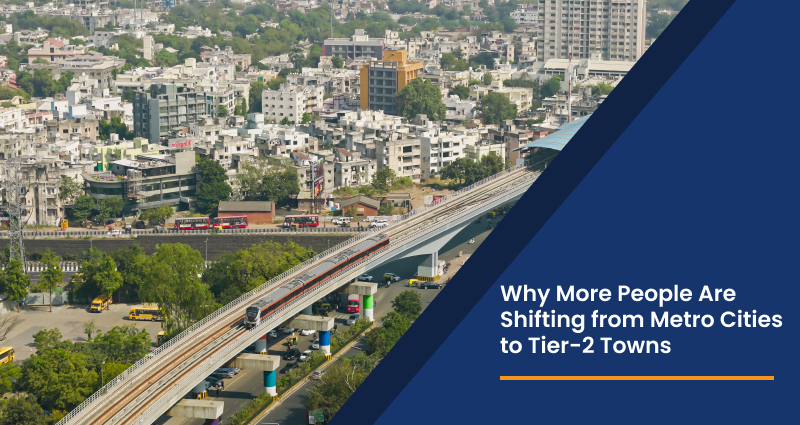
Why More People Are Shifting from Metro Cities to Tier-2 Towns

Over the past few years, quietly but steadily, migration has been a trend in India – a larger number of professionals, startups, and families are moving from metro to Tier 2 city areas. The attraction of the small towns, together with their modern conveniences, upgraded facilities, and low-priced living, has become impossible to resist. This change not only redefines urban life but also transforms the population distribution across the nation, whether for the sake of saving money, working remotely, or simply desiring a better lifestyle.

The Big Picture – What’s Driving the Move from Metros to Tier-2 Towns

1. The Burden of Metro Living

Life in metro cities like Mumbai, Delhi, Bengaluru, or Chennai consists of high expenses and stressful commutes. The comparison of the cost of living in tier 2 vs metro areas very clearly points to the smaller towns as the winner with their low housing, utilities, and lifestyle costs. Crowded spaces, pollution, and rent inflation have pushed many to seek peaceful, affordable alternatives.

2. Remote Work & Flexible Careers

The remote working revolution is changing where people choose to live. Professionals no longer need to stay near offices and, therefore, remote work in tier 2 towns is a valid option. These cities offer reliable internet as well as co-working spaces and a supporting ecosystem for freelancers and entrepreneurs.

3. Growing Infrastructure & Job Opportunities

Many of the tier 2 cities in India are gaining momentum as business hubs, with Indore, Coimbatore, and Surat being some examples. The new job opportunities in tier 2 cities due to increased connectivity, industrial development, and smart city projects have given people the option to settle in those cities and build up sustainable careers instead of moving to metro cities.

Advantages of Tier-2 Towns: Why People Are Choosing Them

  • Affordability & More Space

The most significant factor in why people are moving to Tier 2 cities is the lower cost of living in Tier 2 vs the metro comparison. Housing and utilities cost considerably less, and families can live in big apartments, which also leads to lower daily expenses. The financial room to breathe leads to better saving and investing opportunities.

  • Superior Living Conditions and Social Interaction

The advantages that Tier 2 cities bring are enormous: cleaner air, shorter commuting time, and people living close by all contribute to a much more balanced life. Besides, a lot of people consider such places to be much safer and more appropriate for kids and seniors.

  • Work-Life Harmony and Flexibility

With reduced travel and flexible options to work, there is more time left for personal growth. Living in a quiet atmosphere promotes good health, away from the noisy and stressful life of cities.

  • Investment Potential & Future Growth

The movement from a major city to a second-tier town is considered to be a tactical investment for many people in India. Real estate is still affordable while being poised for appreciation as businesses and infrastructure are in expansion mode. In fact, early movers are likely to benefit from both comfort and long-term value.

Key Considerations Before Making the Move

Relocation is not all about affordability but rather about finding the right fit. Before one decides to move, they must choose between tier cities in India based on job options, lifestyle preferences, and long-term goals.


  • Job Market Realities & Commuting Needs: It’s true that the options are becoming broader, but still, some sectors are relying on the metro areas.
  • Infrastructure, Healthcare & Education: In case you live in an area with children or elderly members of the family, do not lower your expectations for the quality of service in that area.
  • Lifestyle Trade-Offs & Social Network: A small town will likely not have the same level of entertainment and/or social network compared to a large metropolitan city.
  • Long-Term Planning and Future Value: Weigh the location in terms of career development, real estate investment, and the distance and nearness to important hubs.

Real-Life Stories & Emerging Cities to Watch

The migration trend to smaller towns is mainly spearheaded by the young professionals and the Gen Z. They view Mysuru, Kochi, Lucknow, and Bhubaneswar as the ideal mix of opportunity and comfort. These tier 2 cities of India are turning into self-supporting centres with all the benefits working from a startup ecosystem to the cultural vibrancy- all perfect for new beginnings.

Conclusion

The migration from metro to tier 2 relocation in India is not a passing phase; rather, it’s a transformation in how Indians view success, comfort, and lifestyle. As more people seek balance and affordability, this shift will only grow stronger. 

If you are planning to move, rely on Firstpick as one of the most dependable moving partners in India. With professional Packers and Movers in Bangalore, Packers and Movers in Hyderabad, Packers and Movers in Chennai, and Packers and Movers in Mumbai, we will make the relocation process safe and hassle-free for you. If you want more information, please visit our site.

Top Sustainable Packaging Materials Revolutionising 2025: Trends

By the year 2025, the packaging industry will have undergone remarkable transformations due to the global sustainability objectives and the increased awareness of consumers. Thus, everyone involved in the process, for instance, the retail brands and the packers and movers in Bellandur, is now re-examining their packaging options to reduce the waste, the carbon footprint, and the impact on nature. The market for eco-friendly materials for packaging has never been this strong; it’s a time when sustainable innovation collaborates with eco packaging.

The Sustainability Imperative in Packaging

In the modern era, sustainability has come to the forefront of business. Consumers prefer those brands that choose packaging for sustainability by being transparent and responsible. The logistics providers have also started finding environmentally friendly packaging options. Packers and movers in HSR Layout, for example, look at options that reduce their carbon footprint without compromising on quality.

1. Regulatory & Market Drivers

Environmental regulations such as the EPR (Extended Producer Responsibility) and bans on single-use plastics are pushing the demand for the use of biodegradable packaging materials. On the other hand, companies that use sustainable packaging materials are not only winning over customers but also getting better market positions and enjoying the economic benefits from waste reduction and reuse.

2. What Counts as Sustainable Packaging Materials?

Truly green packaging materials are those that come from renewable or recycled resources, are designed for reuse or compostability. They have a minimal environmental impact throughout their life cycle. The goal is to create circularity in packaging while also protecting products adequately.

Top Sustainable Packaging Materials Revolutionising 2025

1. Biodegradable and Compostable Bioplastics

The renewable sources of this biodegradable packaging material are corn starch or sugarcane. These materials get decomposed naturally and do not harm the ecosystem; therefore, they are perfect for the retail and relocation sectors. Most of the packers and movers in Gachibowli are shifting towards compostable wraps and films for an eco-friendly relocation.

2. Paper/Fibre-Based Materials & “Paperisation”

Paper continues to replace plastic across industries. The trend of “paperisation” is making eco-friendly packaging bags strong, water-resistant, and more customizable. It is easy to recycle fibre-based packaging, and it is perfectly suitable for lightweight and flexible packing, setting the tone for another key packaging trend in 2025.

3. Recycled & Post-Consumer Recycled (PCR) Materials

In packaging, the use of recycled and PCR content helps to divert waste from landfills and reduces production emissions. That makes it a very practical choice for brands and logistics firms, including packers and movers in Sarjapur Road, who have started adopting recycled packaging cartons and fillers as a mark of eco-commitment.

4. Minimalist Lightweight Packaging Design

Lightweight sustainable materials for packaging can save resources and reduce transportation, and be more carbon-efficient. Weight and minimalist design can help keep products functional, while the packaging resonates sustainability through reduction of waste, and provides a cleaner aesthetic. 

5. Smart/Digital/Innovative Materials

Intelligent and traceable green packaging materials are on the rise in 2025. Smart labels and digital tracking make it more transparent, allowing brands to have wider insights into the lifecycle of their packaging and help boost recycling.

How to Choose the Right Sustainable Packaging Material in 2025

1. Match Material to Product & Supply Chain

The selection of the proper sustainable materials for packaging comes down to understanding your product’s needs. Fragile items will need stronger, recyclable options, and lighter goods could employ paper or compostable films. Matching material selection with logistic efficiency — particularly for movers and shippers — cuts down on waste while improving performance.

2. End-of-Life & Circularity Considerations

Always consider what happens after use. The most environmentally friendly packaging materials can be either recycled or reused. Encourage your customers to bring the packaging back, or repurpose the product packaging, and contribute to the idea of a circularity /closed loop system.  

3. Cost, Performance and Brand Communication 

While eco packaging may appear more expensive, it usually provides long-term savings by way of efficiency and waste reduction. Besides, it sends a very strong brand message-it reflects sustainability commitment while retaining quality and reliability. 

4. Be Ahead of the 2025 + Regulatory Curve. 

New environmental standards will create a new phase in global trade. Early implementers of biodegradable material and innovative environmental alternatives will comply and build a reputation for responsibility. Brands that act today will lead the sustainable movement of tomorrow.

Looking Ahead – What’s Next After 2025? 

Following 2025, the priority of packaging innovations will focus on regenerative materials and more innovative, circular systems. With AI-enabled traceability and next-generation eco-friendly packaging bags, there will be less waste and greater recovery of material.

Conclusion

Switching to sustainable packaging material is not just a design choice; it is a commitment to our planet. When you packaging for sustainability, your businesses build stronger future-ready brands and are deserving of the trust of your customers.  At Firstpick, we take it seriously. If you need packers and movers in Bellandur, HSR Layout or any other reliable service in Gachibowli and Sarjapur Road, we always use eco-friendly packing materials to ensure that the whole moving process is safe and green. For more information on how to make your next move eco-friendly, please visit our website.

The Role of Packers and Movers in Large-Scale Office Migrations

An office relocation is not simply transferring furniture from one site to another. A complete company office relocation entails complex planning, specialised equipment, and a level of coordination to provide the least disruption in business operations. Everything from your critical IT equipment to the heavier office equipment must be handled with care. Professional office movers and packers provide know-how, sequential processes, and logistics services that translate into smooth, efficient, and safe complex corporate relocations, enabling companies to concentrate on their core functions.


Why Large-Scale Office Moves Are Big and Complicated

Large-scale office relocation is much more than relocating furniture and computers for a workplace. Office moves at scale are complicated and challenging by virtue of their size and complexity.


  • Scale, Volume, and Diversity of Assets

Offices typically have different kinds of assets like ergonomic chairs, electronics, and IT infrastructure that is sensitive. Each of them requires a specific way to handle and pack. A professional relocation company service is aware of these subtleties, handling each item with care and precision.


  • Risk of Downtime and Productivity Loss

Time is money in the business environment. Each hour of lost time during a move equates to a potential loss of revenue. Professional office moving services are geared to minimise disruption by working late, weekends, or in staggered schedules that complement the client’s operations.


  • Regulatory, Logistical, and Building Constraints

Commercial buildings also have stringent regulations on access timings, elevator use, and floor safeguarding. Coordinating these restrictions along with the transportation and parking logistics demands the service of experienced commercial movers for office migration, who would be able to do it efficiently as well as in accordance with the rules. 

Main Duties and Responsibilities of Office Relocation Companies

Office relocation is a project that takes several steps, all requiring great detail. Here is how specialised office movers and packers remove the fear of office relocation:


  • Survey and Pre-Planning

Before the move, the specialists will conduct a detailed on-site survey to assess the scope of the project. This includes the office floor plans, furniture sizes, IT setup, and any special or unusual equipment. The moving service company will compile a moving plan which will include timeframes, the designated crews to complete the work, and the packing process.


  • Packing, Wrapping and Protection

The first priority for office relocation staff is to avert any damage to the office items. The office contents, from delicate electronics to potentially sensitive documents, are therefore packed utilising only strong packing materials and special labelling systems, to keep everything in order.


  • Transportation and Logistics

A very important part of corporate relocation services is transportation management. Professional office movers make sure that the vehicles are appropriate to the kind of goods to be transported, and the vehicles are loaded in an orderly manner so that there is no movement during transport. 


  • On-Site Placement and Setup

Once the commodities arrive at the new location, movers place furniture, computers, and office materials as per the pre-approved design. Experienced office relocation services also assist in reattaching fundamental systems, such as power supply and workstations, to be ready for use immediately.


  • Project Management and Coordination

A single project manager is assigned to the whole relocation, who acts as a contact for all communication. The high level of coordination ensures that the whole process of commercial movers for office migration is perfectly synchronised with the client’s schedule and expectations.

Professional Office Packers and Movers – The Major Advantages

The participation of professionals in a corporate move is not only for the sake of convenience, but the benefits are so great that they can even affect the performance and continuity of the business.


  • Minimising Business Interruptions

Through planning and effective implementation, corporate moving services allow for a company’s operations and flow of business. By scheduling a move to occur outside work hours, they limit time being non-productive and allow employees to return to work as quickly as possible.


  • Protection of Assets and Less Damage

The staff that moves the office is trained to use special packing and handling techniques to make sure that the delicate items are well secured. The training they received lowers the chance of breakage, loss or damage — this is a major factor for those companies that deal with expensive hardware and sensitive data.


  • Efficiency and Resource Optimisation

Having the move done by the experts allows your internal staff to be free from such activities, and they can then focus on the essential business operations instead of dealing with logistical issues. The professional relocation company service provides dedicated manpower and equipment to ensure that the whole process is done correctly, thus saving time and energy.


  • Accountability and Reliability

In contrast to informal services, professional office movers always bring a formal contract, insurance and definite outcomes that are accompanied by accountability. The dependable office movers and packers take the entire responsibility of providing safe transportation and finishing on time, thereby relieving the business persons’ concerns.


  • Cost Certainty and Risk Reduction 

While engaging professionals might seem a separate expense, the long-term savings are considerable. Office moving firms provide concrete value in terms of efficiency and reduced risk of damage, whether the savings offset downtime costs or avoided loss in assets, if not both.

Best Practices and Tips for Successful Office Migration

  • Plan Ahead: Plan at least two to three months for a successful large-scale office migration.
  • Form a Moving Committee: Representatives from IT, HR, and Administration to handle communication.
  • Label and Inventory: Accurate labelling ensures easy unpacking, and nothing is lost.
  • Back-up Data: Always back up significant information before relocating your IT infrastructure. 
  • Select the Right Partner: When moving your office, only hire a reputable commercial mover that has verified experience, specialising in complex commercial moves. 

Understanding Costs and ROI in Large Corporate Moves

  • Breakdown of Cost Drivers

Whether you are conducting an office relocation can involve multiple expenses around the costs of packing materials, transportation distance, labour costs, and insurance. Besides these, there are also the costs of temporary storage, special treatment of delicate items, and off-hours services.


  • ROI From Performance

Office relocation services are worth every penny as they minimise the time when nothing happens, cut down the loss, and bring back business activities recovering in no time. Corporate firms recoup the cost of relocating through uninterrupted business and improved productivity.


  • Negotiation and Contract Clauses

When you think of employing an office mover, it is advisable that all conditions—timelines and liability clauses, among others—are very well defined in the contract. The pricing and service level clarity generate trust and, at the same time, lessen the occurrence of hidden costs.

Conclusion

Moving corporate offices is not an easy task, but one that needs very detailed planning, expert care, and perfect execution. Fully trained packers and movers in Marathahalli and the rest of Bangalore ensure that every item, from delicate IT equipment to big furniture, gets to the new place intact, thus reducing the waiting time and preventing any interruptions in the business activities.

Regardless of whether you seek a moving service in Bangalore or an end-to-end relocation service in Bangalore, hiring professional office movers delivers accountability, efficiency, and facets of reliability to the move. With FirstPick, businesses will get an end-to-end office relocation service that smooths the move, secures the business’s assets, and allows teams to focus on their critical priorities. For more information on their services, visit their website.


How to Plan a Zero-Damage Move: Expert Tips from Professional Packers

Moving to a new home can feel exciting but overwhelming. From packing, planning, and coordination, a zero-damage move is every homeowner’s key agenda. With a proper strategy, effective packing materials, and professional advice, you can move safely and efficiently. Whether you’re relocating within Sholinganallur, Tambaram, or Velachery, these safe relocation tips and expert advice will make a damage-free move easy and risk-free.

Step 1 — Planning & Strategy Before the Move

A seamless move begins with planning and time management. 


  • Create a Realistic Timeline & Milestones 

Start planning 3-4 weeks before your move. Write a detailed checklist for purging, buying supplies, and booking movers. Creating a realistic expectation will allow you to remain productive and to be as stress-free as possible at the event.


  • Declutter, Sort & Inventory

Prior to packing, take a walk through each room and sort through your items. Keep an inventory of valuables and breakables. This will make it easier to organise, facilitate unpacking, and help you ensure a generally damage-free move when protecting fragile items and other items for overall integrity. 


  • Select Responsible Movers & Insurance Options 

Selecting dependable movers is essential. Opt for experts like Packers and Movers Sholinganallur, Packers and Movers Tambaram, or Packers and Movers Velachery for trust. Always ask about insurance facilities – expert handling and insurance keep your belongings safe during the journey.

Step 2 — Gathering & Selecting the Proper Packing Materials

Your move’s success relies on the materials you choose.


  • Purchase Quality, Protective Materials

Purchase good boxes, bubble-wrap, packing paper, and heavy-duty tape. Good packing materials are one of the best moving planning tips to protect your valuables and avoid costly damage along the way.


  • Reusable and Eco-Friendly Options

Eco-conscious moving is on the rise. Use old newspapers, blankets, or towels for cushioning delicate items. It is an affordable, eco-friendly option that is great for protecting fragile items while maintaining an environmentally responsible approach to moving.  


  • Tools & Accessories You’ll Need

Store necessities such as scissors, markers, zip ties, and cutters in reach. Labelling the boxes with the names of rooms and contents is time-saving during unpacking. Adhering to such sensible packing and moving guide practices assures better efficiency and serenity while following the right packing tips for moving.

Step 3 — Zero-Damage Packing Techniques

Correct packing dictates how secure your possessions are while in transit.


  • The Box-Packing Principles

Always put heavier items on the bottom and lighter ones on top. Fill gaps with soft cushions to prevent movement. Seal boxes securely and mark them legibly. These little things go a long way in ensuring a damage-free move of all your belongings and teaching you how to move without damage.


  • Handling Fragile, Valuables & Electronics

Wrap each glassware, crockery, and electronic item separately with bubble wrap or foam. If possible, use original boxes. These tried-and-true safe relocation hacks avoid chips, cracks, and scratches and leave each fragile piece in one piece from the beginning to the end.


  • Disassembling & Labelling

Disconnect removable pieces of furniture and pack them separately. Keep screws and bolts in labelled pouches. A proper labelling allows for easy reassembly and aids in a zero-damage move.

Step 4 — Loading, Transport & Unloading with Care

Well-packed boxes might still get damaged if mishandled.


  • Strategic Loading in the Moving Truck

Heavy boxes must be stacked at the bottom, lighter ones at the top, and fragile boxes must be kept safe. Trained movers, such as packers and movers Tambaram, understand how to load safely.


  • Watch for Movement & Gaps

Prevent shifting with straps or padding. Too much movement can lead to dents—something that every packing and moving guide cautions against.


  • Safe Driving and Handling Protocols

It is important to ensure that your movers are driving safely, especially on bumpy roads. Professionals such as Packers and Movers Velachery use proper equipment and trained staff to ensure a damage-free move of your personal goods.

Step 5: Unpacking, Inspecting, and Following Up

Once you arrive, give yourself some time to decompress and unpack.  


  • Unpack with Purpose

As you unpack your boxes, do so with a plan, and unpack your immediate needs first.  Have your checklist nearby to ensure all items. Smart unpacking completes a zero-damage move until the very last step. 


  • Immediate Inspection

Check fragile or valuable items immediately. If something is broken, submit an insurance claim without delay.


  • Claims/Feedback Loop

Please, give your feedback—good service is worth appreciation. Sincere critiques will further grab the mover’s attention and allow the movers to intensify their efforts on their professional packers’ advice for future clients.

Conclusion

Relocation can be smooth, organised, and stress-free with the right guidance. Following proper move planning tips, using protective materials, and choosing reliable experts ensures a zero-damage move every time. If you’re searching for dependable Packers and Movers Sholinganallur, Packers and movers Tambaram, or packers and movers Velachery, trust FirstPick. Reliability, accuracy, and attention to detail are the hallmarks of FirstPick, which promises a professional, smooth, and 100% damage-free move that preserves your belongings and peace of mind. Visit our website for further information about their service capacity.


How AI and Automation Are Revolutionising the Packers and Movers Industry

In the past few years, the moving industry has been completely changed by AI and automation in packers and movers. As urban population density increases and many individuals shift more often for career and lifestyle purposes, speed and reliability have become the premium commodity. Modern-day moving companies are now able to utilise technology to enhance accuracy, customer satisfaction, and efficiency. Whether it’s predicting logistical hurdles or a robotics packing line, these types of technology are redefining what it means to move smartly.

The State of the Packers and Movers Industry Today

  • Traditional Roadblocks to Moving & Relocation

For decades, moving companies depended on human resources and decisions driven by experience. This tended to lead to:

  • Delayed deliveries and miscommunication
  • Lack of real-time tracking or openness
  • Unreliable pricing and inefficient routing
  • Risk of damage or misplaced goods

These inefficiencies have plagued customer trust for years, and the industry is now ripe for technological disruption.


  • Why the Industry Is Ripe for Disruption

The contemporary customer demands speed, reliability, and transparency of service. Urban cities such as Bangalore, a leading destination for relocations, are seeing the need for innovation more than ever.  The demand for packers and movers in Bangalore, packers and movers HSR Layout, and packers and movers Sarjapur Road shows the market is hungry for change through technology and automation.

Major Technologies in AI & Automation Changing The Industry

  • Route Optimisation & Predictive Logistics

When using AI in the moving industry, companies are now using algorithms to gauge traffic, distance, and road conditions, among other factors, to best determine the overall routes. Projects in predictive logistics allow for the prediction of possible delays, and hence, it becomes possible for the movers to take measures accordingly and thus deliver on time.


  • Smart Inventory, Packing & Robotics

AI-driven moving companies are also using robots for heavy lifting and automated packing.

  • Robotics can handle fragile items with care. 
  • Real-time tracking through smart inventory systems.
  • Automated labels allow for great organisation and less loss.

This combination of technology reduces human errors and increases productivity.


  • Automation in Scheduling, Quoting & Customer Service

Through the automation in packers and movers, clients are now receiving instant quotes, scheduling online, and having a chatbot with 24/7 assistance. The AI systems provide better convenience, accuracy, and transparency, which benefit both the customer and the provider.


  • IoT, Sensors & Real-Time Tracking

Automated logistics in relocation are making it easier for logistics companies to track shipments using IoT devices and GPS sensors. Same-day updates allow for continued contact and support from notifications of temperature and movement sensors that have been validated by communications that provide assurance on fragile items.

Benefits & Value Propositions of AI in Movers and Packers

  • Efficiency, Cost & Time Savings: Automation alleviates human resources, maximises resources and reduces costs. Every portion of the process can occur quickly and efficiently, not only packing but also delivery. This allows the company to carry out more jobs concurrently, reduce downtime, and optimise workforce utilisation.
  • Enhanced Accuracy, Safety & Damage Reduction: Robotics and smart moving solutions enhance handling accuracy, reducing the risk of breaking and making transportation smooth. Automated tracking also assists in detecting any inconsistencies on time, providing a safe relocation experience.
  • Improved Customer Experience & Transparency: Moving company technology enables customers to view live updates, transparent pricing, and hassle-free communication. It even offers real-time support with AI chatbots that can provide customer users with timely and accurate information during their relocations.
  • Scalability & Competitive Differentiation: In some situations, trends in automation across the business world are spurring to facilitation and allow for simultaneous relocations, expanding geographic service and consistent quality. Automation helps create data-based transforms for ongoing business improvements to customer engagement and provides for increased growth and reputational connection.

Challenges, Risks & Considerations

Technology adoption, though revolutionary, has challenges associated:

  • High initial cost for AI systems and training
  • Risk of technical breakdowns or cyber attacks
  • Adaptation concerns among the traditional workforce

Yet, ongoing innovation and budget-friendly digital tools are allowing companies to get the better of these hindrances efficiently.

The Future Trends to Watch

The technology within moving companies is evolving quickly. Some of the main/primary trends are:

  • AI-driven predictive insights to help with decision-making
  • Robotic vehicles and autonomous trucking
  • Cloud inventory system solutions for improved security
  • Sustainable logistics to reduce their footprint on our ecosystem

These moving industry automation trends are likely to help your relocation go more quickly, safely, and eco-friendly.

Conclusion

AI and automation are no longer a choice—they’re the new norm for success in the moving industry. By adopting automated logistics in relocation, movers are able to provide quicker, safer, and more transparent moving services. FirstPick is among the leaders in this new standard of combining technology and trust. If you need packers and movers in Bangalore, packers and movers HSR Layout, or packers and movers in Sarjapur Road, FirstPick is the answer to any smart moving need intertwined with efficiency, innovation, and care of the customer. You can learn more at their official website.

How to Pack and Transport Your Aquarium: A Step-by-Step Moving Guide

Moving an aquarium is not something you can rush. It takes time, preparation, and a clear plan. This is because fish are sensitive to sudden changes, and an aquarium has fragile parts that need proper handling. So, if you’re relocating to a new house or shifting a room setup, you’ll need to approach it step by step.

Before you begin, it’s essential to understand what you’re working with. From the fish to the filters, every part plays a role. The goal is to keep everything safe and stable through the journey. 

If you’ve ever wondered how to pack an aquarium for moving without harming your fish or damaging your tank, this blog will walk you through it all, one step at a time.

Preparing Your Aquarium for Moving

Before you touch anything, take a few days to get your aquarium ready. Make sure all fish are healthy. Avoid feeding them 24 hours before the move. This helps keep the water cleaner during transport. Check that your equipment, like heaters, filters, and pumps, is working correctly. If anything is faulty, fix or replace it beforehand. This avoids complications later.

Once everything is in order, the next step is to plan the move properly and gather the right materials.

Pre-Move Planning and Checklist

Create a list of everything you’ll need. Here’s a basic checklist:

Task Item Needed
Fish transport Fish bags or containers with lids
Water storage Clean buckets with lids or jerry cans
Tank protection Towels, bubble wrap, tape, cardboard
Equipment packing Ziplock bags, labels, plastic tubs
Transport support Foam sheets or moving blankets

Also, take photos of your current setup. This makes reassembly easier. Then, the next step is removing the fish.

  • Safely Removing Fish and Aquatic Life

Start by gently catching your fish using a soft net. Place them in clean plastic fish bags filled with tank water. Leave some space for air at the top. If your journey is longer than an hour, use containers with air holes. Keep the containers away from direct sunlight as well as heat.

If you have plants or snails, place them in separate containers with a bit of tank water. Mark them clearly so you don’t confuse them.

Always label containers with the species and any special instructions. This ensures that moving fish doesn’t become stressful for you or the fish.

Draining and Packing the Aquarium Components

Turn off all electrical equipment and unplug everything. Let the water cool if you’ve used a heater. Once it’s safe, start draining the water. Use a siphon hose or a clean jug. Save some of the water in clean buckets, especially if your tank has a stable water condition.

Avoid lifting the tank while it still has water or gravel inside. That can put pressure on the seams and cause cracks. Knowing how to pack an aquarium for moving properly prevents damage and keeps the setup reusable.

  • How to Drain and Store Aquarium Water

You don’t need to carry all the water to your new place, but try to keep at least 40–50%. This helps your fish adjust later. Store it in tightly sealed buckets or jerry cans. Clearly label each container as “aquarium water”.

Make sure these containers are clean and chemical-free. Avoid any soap residue. Only use buckets that have been used for aquarium maintenance. This is a crucial aspect of safe packaging.

  • Disassembling and Packing Aquarium Equipment

Take out the decorations, plants, heater, filter, and pump. Rinse each item with tank water, not tap water. This keeps beneficial bacteria alive.

Wrap fragile items in towels or bubble wrap. Store cords neatly and place all parts in labelled plastic containers. You can use ziplock bags for small screws, suction cups, and tubes.

Don’t forget to dry electrical parts before wrapping. If you’re using professional help, inform the packers and movers Pimpri Chinchwad team that you have sensitive aquarium equipment. This step is vital when packing a fish tank for relocation.

Transporting the Aquarium Safely

Wrap the empty tank in several layers. Use soft towels, then bubble wrap, and finally cardboard. If it has a lid, remove it and wrap it separately. Seal all sharp edges with foam padding or tape.

Here’s a simple table for packaging layers:

Tank Section Packaging Material
Glass Body Towels + Bubble Wrap + Cardboard
Corners Foam padding or rubber guards
Lid Wrapped separately with padding

Place the tank flat during transport. Don’t place anything heavy on top. If you’re hiring packers and movers in Bellandur, make sure they know the tank is fragile and should be handled like glassware. This will help you relocate the aquarium without stress.

  • Choosing the Right Containers and Packing Materials

Use food-grade containers or fish-safe plastic tubs for transporting fish and aquatic life. Avoid thin plastic or containers that aren’t leak-proof. For glass tanks, use firm cardboard reinforced with padding.

Packing materials checklist:

  • Bubble wrap
  • Towels or old blankets
  • Plastic tubs
  • Ziplock bags
  • Labelling stickers
  • Strong tape

Always double-check the seals before loading. These steps are key when moving an aquarium for home to another location.

  • Loading and Moving the Aquarium

Place the tank upright in the vehicle, secured with straps or soft materials around it. Don’t let it slide during the move. If possible, keep the fish containers close by so you can monitor them during travel.

Avoid placing the tank near items that can fall or leak. If there’s a lot of vibration, use foam padding under the tank.

Try to transport your tank and fish in a private vehicle, especially for short distances. For long moves, choose the best packers and movers in Chennai who have experience handling fragile and live items. That way, safe packaging is not compromised.

Setting Up the Aquarium at Your New Home

Once you arrive, set up your aquarium before unpacking other items. Clean the spot where you plan to place it. Ensure the stand or surface is level.

Reinstall all equipment and check that power outlets are safe and dry. Let the equipment run for 30 minutes before adding fish. Monitor the water temperature and check that the filter and heater are working correctly. These are small steps that help relocate the aquarium without stress.

  • Reassembling and Refilling Your Aquarium

Pour the saved aquarium water back into the tank. Top up with fresh, dechlorinated water. Use a thermometer to ensure the temperature is stable. Turn on the filter and heater.

Let the tank cycle for 30–60 minutes before reintroducing fish. Keep the tank light dim and avoid sudden movements around the tank. This will make the return process easier for your aquarium at home.

  • Reintroducing Fish and Aquatic Life

Float the sealed fish bags in the tank for 15 minutes. This helps them adjust to the temperature. Then open the bag and slowly add a bit of tank water every 5 minutes for 20–30 minutes. After that, gently release the fish into the tank.

Do not feed them for the first 24 hours. Let them settle. Keep the lights low and observe their behaviour. This is a critical part of moving fish without shocking them.

FAQs

1: What’s the best way to transport aquarium water?

Use clean, chemical-free containers with lids. Store them upright, out of sunlight.

2: How long can fish stay in transport containers?

Fish can usually stay in transport containers for up to 8 hours if oxygen and temperature are stable.

3: What equipment is essential to pack separately?

The heater, filter, pump, decorations, and lid should all be packed separately and carefully wrapped. Knowing how to pack an aquarium for moving properly helps prevent loss or damage.

Cost of Living in Mumbai 2025: A Complete Guide to Expenses, Housing, Lifestyle & More

Mumbai is known as India’s financial capital. It is a place where things move quickly, spaces are compact, and daily routines often stretch longer than expected. If you’re planning to move here, understanding what you’ll spend every month is essential. The cost of living in Mumbai has undergone regular changes, and 2025 is expected to bring new patterns in rent, travel, and everyday expenses.

With that in mind, this guide takes you through the key areas, like housing, groceries, commute, and lifestyle.

Monthly Cost of Living in Mumbai Overview

The Mumbai cost of living index for 2025 shows higher spending across most categories, especially in rent and food. At the same time, it highlights options for those who are careful with budgeting. On average, a single person may need ₹30,000 to ₹70,000 per month. This depends on the locality and lifestyle choices. Families with children usually require more, particularly when factoring in school fees and domestic help.

Below is a general breakdown of everyday monthly expenses to help you estimate better.

Average Overall Expenses

For someone leading a modest lifestyle without overspending, average Mumbai living expenses look like this:

Expense Category Average Monthly Cost (₹)
Rent (1BHK) 22,000 – 45,000
Food & Groceries 6,000 – 12,000
Utilities 2,000 – 4,500
Transport 1,500 – 4,000
Internet & Mobile 800 – 1,200
Dining & Leisure 2,500 – 6,000

Expat and Local Perspectives

Expats in Mumbai usually spend more, especially on accommodation and imported goods. Locals balance their living expenses in Mumbai by shopping at wholesale markets, cooking at home, and relying on public transport. Shared flats remain popular for younger professionals dealing with the cost of living in Mumbai as a bachelor.

Before they even settle, many choose to start with a smooth move by relying on trusted shifting partners. Services such as Top Packers Movers Mumbai are frequently used because they manage everything from packing to setting up in the new home.

Housing & Real Estate Trends in 2025

Rental Market Analysis

The rental market in Mumbai is expected to see a 6–10% increase in 2025. Premium locations like Colaba, Juhu, and Bandra are at the higher end, while suburbs such as Chembur, Bhandup, and Goregaon offer better value.

These areas attract steady movement throughout the year, and professional relocation services, including packers and movers in Andheri West, are widely used by tenants shifting into these busy zones.

Long-Term Survival Costs

Over the long term, you’ll need to budget for healthcare, insurance, and savings. Health cover can add ₹1,500–₹4,000 each month. School fees for children in international schools range between ₹15,000 and ₹40,000 monthly. These costs often reveal the accurate picture of the cost of living in Mumbai, India, beyond just rent and food.

Essential Living Expenses

Food & Groceries

Weekly grocery shopping can cost between ₹1,500 and ₹3,000. Prices rise sharply if you depend on delivery apps. Dining in at mid-range restaurants adds to the bill, so it’s wise to balance both.

Transport Costs

The city relies on trains, buses, and the metro. Monthly transport costs for most residents range from ₹1,500 to ₹3,000. Using cabs regularly increases the total quickly.

For those shifting to high-rise buildings or gated complexes, especially in areas like Powai, hiring packers and movers Powai makes the move easier and more efficient.

Utilities & Miscellaneous

Electricity usually ranges from ₹1,500 to ₹3,000 monthly, depending on usage. Add Wi-Fi, LPG, and subscriptions, and utilities come close to ₹4,000–₹5,000.

Lifestyle & Quality of Life

Mumbai offers a mix of high-end luxuries and affordable essentials. Balancing both is the key to keeping lifestyle costs under control.

Dining Out & Entertainment

Eating out can cost anywhere from ₹1,000 to ₹2,500 for two at mid-range places. Multiplex tickets, club entries, or weekend trips add more to monthly budgets.

Careful planning of outings can help keep these occasional costs from affecting your overall budget.

Cultural Contrast & Resilience

Being able to switch between affordable and premium choices is what makes city life adaptable. That adaptability is part of Mumbai’s resilience. Many residents spend money carefully during the week and enjoy occasional entertainment over the weekend.

Savings & Financial Strain

Even with higher salaries compared to the national average, many residents feel the financial strain. Rising rents and transport charges often stretch monthly budgets. To manage Mumbai living expenses, cutting down on frequent dining out or limiting impulsive shopping makes a noticeable difference.

Smart Budgeting Tips for 2025

    • Share accommodation or rent in less expensive suburbs.
    • Cook meals at home to reduce food bills.
    • Use metro or train passes instead of daily tickets.
    • Track weekly expenses through a budgeting app.
    • Delay big purchases until after settling in.

When these tips are put to use, managing expenses becomes far less overwhelming.

Summary

The cost of living in Mumbai in 2025 varies based on where you live, how you commute, and the lifestyle choices you make. Understanding the breakdown of essentials helps you prepare better and avoid unnecessary surprises.

If you’re relocating to the city, services such as Top Packers Movers Mumbai or area-specific support like packers and movers in Andheri West can make the initial days easier. With careful planning, adapting to Mumbai becomes less about the challenges and more about building your new life confidently.

Shifting from a Small Town to a Metropolitan City: Moving Tips and Commute Hacks

Moving from a small town to a Metropolitan City brings change on many levels, like change in location, daily pace, routine, commuting, etc.

This shift typically begins with a specific event, such as a new job, a transfer, a university offer, or simply the pursuit of more opportunities. Whatever the reason, the early stage often feels exciting and full of possibilities.

But once the actual move starts, that excitement can quickly turn into overwhelm. It’s not just about packing boxes. You also have to find a place to live, understand new traffic patterns, arrange utilities, and deal with unfamiliar systems. These steps can add up fast if there’s no structure to follow.

If you break things down into clear stages and prepare for what’s ahead, the entire process becomes easier to manage.

Essential Moving Tips for Small Town to Metropolitan City Relocation

Moving is more than just changing addresses. You’re also transitioning into a different way of living. To stay on track, use a small town to city moving checklist. It should cover everything, from finalising your flat to registering your new address and sorting out essential services.

A written plan will help you avoid missed steps. Break it down by week and list what needs to be done. Add a reminder to update your details with banks, electricity providers, and phone service.

Planning Your Move Effectively

Begin planning at least four weeks before your move. If you’re arranging the logistics yourself, make time for route planning and checking travel restrictions. You can always hire professionals for help.

For example if you’re moving from Pune and need help with logistics, some residents choose packers and movers in Pimple Saudagar who handle long-distance shifts with care. For relocations starting in Karnataka, people often go with experienced packers and movers in Bangalore who manage everything from packing to unloading at the new place.

Packing and Organising for Urban Living

When packing for a big city move, sort your belongings carefully. Don’t carry items that don’t serve a purpose anymore. Label every box with the room it belongs to and a short list of contents. Keep one essentials box aside, with toiletries, 2–3 sets of clothes, basic cookware, medicine, and chargers.

You can also take help from professionals for a smoother transition. For example, if you’re moving from Telangana, many residents go with the best packers and movers in Hyderabad, especially for intercity jobs. They often offer add-ons like appliance installation and unpacking support.

Finding Accommodation in a Metropolitan City

Finding a home in a Metropolitan City can take time. Start your search based on your workplace or university location. Look at commute time during peak hours, not just distance. Additionally, access to public transportation, safety, a reliable water supply, and local grocery options are also essential for actors.

Once you shortlist a few options, talk to local agents and confirm the total rent — including maintenance and deposits.

Navigating Commute Challenges in Metropolitan Cities

Unlike smaller towns, city travel involves longer distances and more time. You’ll likely need to combine two or more modes of transport each day. So, plan how you’ll get to work before you move in. Use real-time transport apps to check travel times during peak periods.

Here’s an average travel cost to help you understand your options:

Mode of Transport Avg. Cost (One Way) Avg. Time (Peak Hours)
Metro/Suburban ₹30–50 35–45 minutes
Cab ₹200–400 50–90 minutes
Auto Rickshaw ₹80–150 40–60 minutes
Local Bus ₹10–40 60–90 minutes

Understanding Urban Transportation Options

Metros like Delhi, Mumbai, and Bengaluru have transport passes for metro and bus services. Get your travel card during your first week. It saves both time and money.

Additionally, before finalising your flat, walk around the area to find nearby bus stops, metro stations, and safe walking paths.

Commute Hacks for Faster and Stress-Free Travel

    • Leave 10–15 minutes earlier than usual during your first few weeks.
    • Try more than one route to find the most consistent one.
    • Use apps like Moovit, Ridlr, or city metro apps for live updates.
    • If your job allows, try off-peak hours or partial remote days.

All of these can reduce commute stress and save time daily.

Health and Safety Tips for City Living

    • Register with a nearby doctor or clinic in the first week.
    • Identify your nearest chemist, hospital, and police station.
    • Check if your building has working CCTV and emergency exits.
    • Stay cautious when travelling late. Use public transport when possible.


FAQs

1. What are the biggest challenges when shifting to a metro city?

Finding accommodation, adjusting to long commutes, and managing time are some of the main challenges. Planning helps reduce pressure.

2. How can I find affordable housing in a metropolitan area?

Start early, stay flexible on location, and check listings frequently. Speak to local brokers and consider sharing a flat in the beginning.

3. What’s the best way to handle a long daily commute?

Use metro passes, try off-peak timings, and carry something to listen to or read. Track traffic daily to avoid surprises.

4. How do I move to a metropolitan city?

Start with a clear checklist. Book verified movers like packers and movers in Bangalore or best packers and movers in Hyderabad, finalise housing, and prepare your documents in advance.