Moving an aquarium is not something you can rush. It takes time, preparation, and a clear plan. This is because fish are sensitive to sudden changes, and an aquarium has fragile parts that need proper handling. So, if you’re relocating to a new house or shifting a room setup, you’ll need to approach it step by step.
Before you begin, it’s essential to understand what you’re working with. From the fish to the filters, every part plays a role. The goal is to keep everything safe and stable through the journey.
If you’ve ever wondered how to pack an aquarium for moving without harming your fish or damaging your tank, this blog will walk you through it all, one step at a time.
Preparing Your Aquarium for Moving
Before you touch anything, take a few days to get your aquarium ready. Make sure all fish are healthy. Avoid feeding them 24 hours before the move. This helps keep the water cleaner during transport. Check that your equipment, like heaters, filters, and pumps, is working correctly. If anything is faulty, fix or replace it beforehand. This avoids complications later.
Once everything is in order, the next step is to plan the move properly and gather the right materials.
Pre-Move Planning and Checklist
Create a list of everything you’ll need. Here’s a basic checklist:
| Task | Item Needed |
| Fish transport | Fish bags or containers with lids |
| Water storage | Clean buckets with lids or jerry cans |
| Tank protection | Towels, bubble wrap, tape, cardboard |
| Equipment packing | Ziplock bags, labels, plastic tubs |
| Transport support | Foam sheets or moving blankets |
Also, take photos of your current setup. This makes reassembly easier. Then, the next step is removing the fish.
-
Safely Removing Fish and Aquatic Life
Start by gently catching your fish using a soft net. Place them in clean plastic fish bags filled with tank water. Leave some space for air at the top. If your journey is longer than an hour, use containers with air holes. Keep the containers away from direct sunlight as well as heat.
If you have plants or snails, place them in separate containers with a bit of tank water. Mark them clearly so you don’t confuse them.
Always label containers with the species and any special instructions. This ensures that moving fish doesn’t become stressful for you or the fish.
Draining and Packing the Aquarium Components
Turn off all electrical equipment and unplug everything. Let the water cool if you’ve used a heater. Once it’s safe, start draining the water. Use a siphon hose or a clean jug. Save some of the water in clean buckets, especially if your tank has a stable water condition.
Avoid lifting the tank while it still has water or gravel inside. That can put pressure on the seams and cause cracks. Knowing how to pack an aquarium for moving properly prevents damage and keeps the setup reusable.
-
How to Drain and Store Aquarium Water
You don’t need to carry all the water to your new place, but try to keep at least 40–50%. This helps your fish adjust later. Store it in tightly sealed buckets or jerry cans. Clearly label each container as “aquarium water”.
Make sure these containers are clean and chemical-free. Avoid any soap residue. Only use buckets that have been used for aquarium maintenance. This is a crucial aspect of safe packaging.
-
Disassembling and Packing Aquarium Equipment
Take out the decorations, plants, heater, filter, and pump. Rinse each item with tank water, not tap water. This keeps beneficial bacteria alive.
Wrap fragile items in towels or bubble wrap. Store cords neatly and place all parts in labelled plastic containers. You can use ziplock bags for small screws, suction cups, and tubes.
Don’t forget to dry electrical parts before wrapping. If you’re using professional help, inform the packers and movers Pimpri Chinchwad team that you have sensitive aquarium equipment. This step is vital when packing a fish tank for relocation.
Transporting the Aquarium Safely
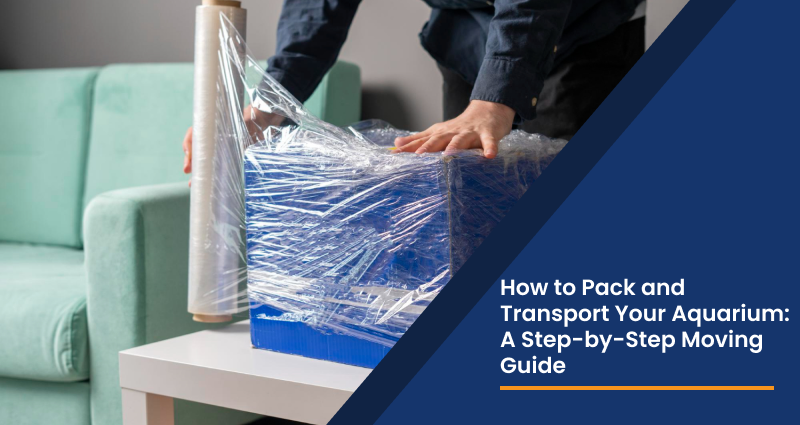
Wrap the empty tank in several layers. Use soft towels, then bubble wrap, and finally cardboard. If it has a lid, remove it and wrap it separately. Seal all sharp edges with foam padding or tape.
Here’s a simple table for packaging layers:
| Tank Section | Packaging Material |
| Glass Body | Towels + Bubble Wrap + Cardboard |
| Corners | Foam padding or rubber guards |
| Lid | Wrapped separately with padding |
Place the tank flat during transport. Don’t place anything heavy on top. If you’re hiring packers and movers in Bellandur, make sure they know the tank is fragile and should be handled like glassware. This will help you relocate the aquarium without stress.
-
Choosing the Right Containers and Packing Materials
Use food-grade containers or fish-safe plastic tubs for transporting fish and aquatic life. Avoid thin plastic or containers that aren’t leak-proof. For glass tanks, use firm cardboard reinforced with padding.
Packing materials checklist:
- Bubble wrap
- Towels or old blankets
- Plastic tubs
- Ziplock bags
- Labelling stickers
- Strong tape
Always double-check the seals before loading. These steps are key when moving an aquarium for home to another location.
-
Loading and Moving the Aquarium
Place the tank upright in the vehicle, secured with straps or soft materials around it. Don’t let it slide during the move. If possible, keep the fish containers close by so you can monitor them during travel.
Avoid placing the tank near items that can fall or leak. If there’s a lot of vibration, use foam padding under the tank.
Try to transport your tank and fish in a private vehicle, especially for short distances. For long moves, choose the best packers and movers in Chennai who have experience handling fragile and live items. That way, safe packaging is not compromised.
Explore Our Packers and Movers
Setting Up the Aquarium at Your New Home
Once you arrive, set up your aquarium before unpacking other items. Clean the spot where you plan to place it. Ensure the stand or surface is level.
Reinstall all equipment and check that power outlets are safe and dry. Let the equipment run for 30 minutes before adding fish. Monitor the water temperature and check that the filter and heater are working correctly. These are small steps that help relocate the aquarium without stress.
-
Reassembling and Refilling Your Aquarium
Pour the saved aquarium water back into the tank. Top up with fresh, dechlorinated water. Use a thermometer to ensure the temperature is stable. Turn on the filter and heater.
Let the tank cycle for 30–60 minutes before reintroducing fish. Keep the tank light dim and avoid sudden movements around the tank. This will make the return process easier for your aquarium at home.
-
Reintroducing Fish and Aquatic Life
Float the sealed fish bags in the tank for 15 minutes. This helps them adjust to the temperature. Then open the bag and slowly add a bit of tank water every 5 minutes for 20–30 minutes. After that, gently release the fish into the tank.
Do not feed them for the first 24 hours. Let them settle. Keep the lights low and observe their behaviour. This is a critical part of moving fish without shocking them.
FAQs
1: What’s the best way to transport aquarium water?
Use clean, chemical-free containers with lids. Store them upright, out of sunlight.
2: How long can fish stay in transport containers?
Fish can usually stay in transport containers for up to 8 hours if oxygen and temperature are stable.
3: What equipment is essential to pack separately?
The heater, filter, pump, decorations, and lid should all be packed separately and carefully wrapped. Knowing how to pack an aquarium for moving properly helps prevent loss or damage.