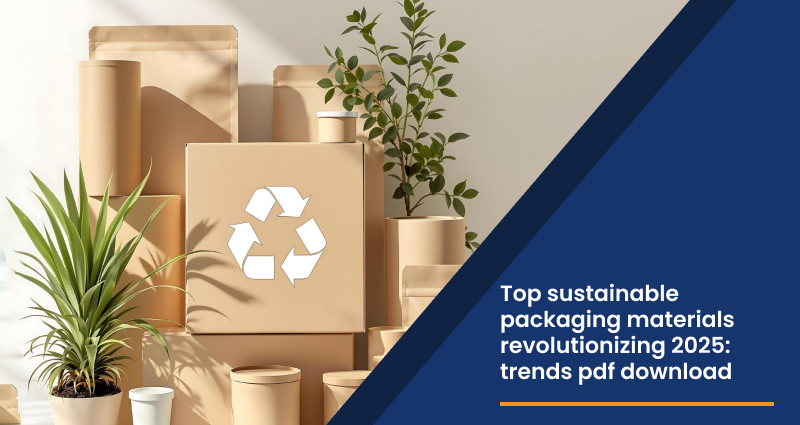
By the year 2025, the packaging industry will have undergone remarkable transformations due to the global sustainability objectives and the increased awareness of consumers. Thus, everyone involved in the process, for instance, the retail brands and the packers and movers in Bellandur, is now re-examining their packaging options to reduce the waste, the carbon footprint, and the impact on nature. The market for eco-friendly materials for packaging has never been this strong; it’s a time when sustainable innovation collaborates with eco packaging.
The Sustainability Imperative in Packaging
In the modern era, sustainability has come to the forefront of business. Consumers prefer those brands that choose packaging for sustainability by being transparent and responsible. The logistics providers have also started finding environmentally friendly packaging options. Packers and movers in HSR Layout, for example, look at options that reduce their carbon footprint without compromising on quality.
1. Regulatory & Market Drivers
Environmental regulations such as the EPR (Extended Producer Responsibility) and bans on single-use plastics are pushing the demand for the use of biodegradable packaging materials. On the other hand, companies that use sustainable packaging materials are not only winning over customers but also getting better market positions and enjoying the economic benefits from waste reduction and reuse.
2. What Counts as Sustainable Packaging Materials?
Truly green packaging materials are those that come from renewable or recycled resources, are designed for reuse or compostability. They have a minimal environmental impact throughout their life cycle. The goal is to create circularity in packaging while also protecting products adequately.
Top Sustainable Packaging Materials Revolutionising 2025
1. Biodegradable and Compostable Bioplastics
The renewable sources of this biodegradable packaging material are corn starch or sugarcane. These materials get decomposed naturally and do not harm the ecosystem; therefore, they are perfect for the retail and relocation sectors. Most of the packers and movers in Gachibowli are shifting towards compostable wraps and films for an eco-friendly relocation.
2. Paper/Fibre-Based Materials & “Paperisation”
Paper continues to replace plastic across industries. The trend of “paperisation” is making eco-friendly packaging bags strong, water-resistant, and more customizable. It is easy to recycle fibre-based packaging, and it is perfectly suitable for lightweight and flexible packing, setting the tone for another key packaging trend in 2025.
3. Recycled & Post-Consumer Recycled (PCR) Materials
In packaging, the use of recycled and PCR content helps to divert waste from landfills and reduces production emissions. That makes it a very practical choice for brands and logistics firms, including packers and movers in Sarjapur Road, who have started adopting recycled packaging cartons and fillers as a mark of eco-commitment.
4. Minimalist Lightweight Packaging Design
Lightweight sustainable materials for packaging can save resources and reduce transportation, and be more carbon-efficient. Weight and minimalist design can help keep products functional, while the packaging resonates sustainability through reduction of waste, and provides a cleaner aesthetic.
5. Smart/Digital/Innovative Materials
Intelligent and traceable green packaging materials are on the rise in 2025. Smart labels and digital tracking make it more transparent, allowing brands to have wider insights into the lifecycle of their packaging and help boost recycling.
How to Choose the Right Sustainable Packaging Material in 2025
1. Match Material to Product & Supply Chain
The selection of the proper sustainable materials for packaging comes down to understanding your product’s needs. Fragile items will need stronger, recyclable options, and lighter goods could employ paper or compostable films. Matching material selection with logistic efficiency — particularly for movers and shippers — cuts down on waste while improving performance.
2. End-of-Life & Circularity Considerations
Always consider what happens after use. The most environmentally friendly packaging materials can be either recycled or reused. Encourage your customers to bring the packaging back, or repurpose the product packaging, and contribute to the idea of a circularity /closed loop system.
3. Cost, Performance and Brand Communication
While eco packaging may appear more expensive, it usually provides long-term savings by way of efficiency and waste reduction. Besides, it sends a very strong brand message-it reflects sustainability commitment while retaining quality and reliability.
4. Be Ahead of the 2025 + Regulatory Curve.
New environmental standards will create a new phase in global trade. Early implementers of biodegradable material and innovative environmental alternatives will comply and build a reputation for responsibility. Brands that act today will lead the sustainable movement of tomorrow.
Looking Ahead – What’s Next After 2025?
Following 2025, the priority of packaging innovations will focus on regenerative materials and more innovative, circular systems. With AI-enabled traceability and next-generation eco-friendly packaging bags, there will be less waste and greater recovery of material.
Conclusion
Switching to sustainable packaging material is not just a design choice; it is a commitment to our planet. When you packaging for sustainability, your businesses build stronger future-ready brands and are deserving of the trust of your customers. At Firstpick, we take it seriously. If you need packers and movers in Bellandur, HSR Layout or any other reliable service in Gachibowli and Sarjapur Road, we always use eco-friendly packing materials to ensure that the whole moving process is safe and green. For more information on how to make your next move eco-friendly, please visit our website.