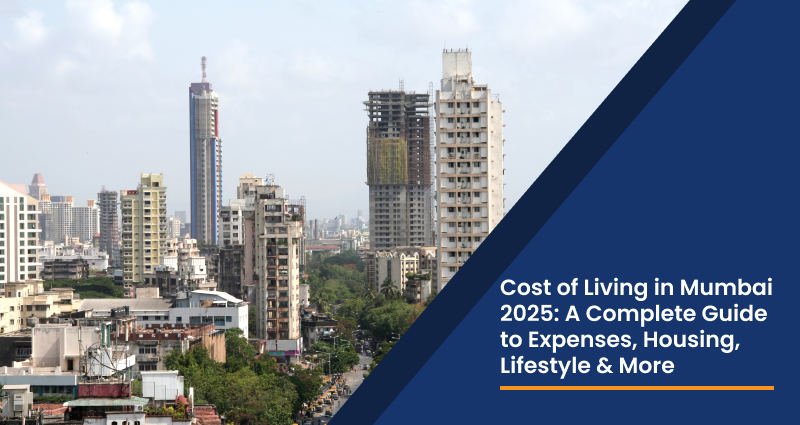
Mumbai is known as India’s financial capital. It is a place where things move quickly, spaces are compact, and daily routines often stretch longer than expected. If you’re planning to move here, understanding what you’ll spend every month is essential. The cost of living in Mumbai has undergone regular changes, and 2025 is expected to bring new patterns in rent, travel, and everyday expenses.
With that in mind, this guide takes you through the key areas, like housing, groceries, commute, and lifestyle.
Monthly Cost of Living in Mumbai Overview
The Mumbai cost of living index for 2025 shows higher spending across most categories, especially in rent and food. At the same time, it highlights options for those who are careful with budgeting. On average, a single person may need ₹30,000 to ₹70,000 per month. This depends on the locality and lifestyle choices. Families with children usually require more, particularly when factoring in school fees and domestic help.
Below is a general breakdown of everyday monthly expenses to help you estimate better.
Average Overall Expenses
For someone leading a modest lifestyle without overspending, average Mumbai living expenses look like this:
| Expense Category | Average Monthly Cost (₹) |
| Rent (1BHK) | 22,000 – 45,000 |
| Food & Groceries | 6,000 – 12,000 |
| Utilities | 2,000 – 4,500 |
| Transport | 1,500 – 4,000 |
| Internet & Mobile | 800 – 1,200 |
| Dining & Leisure | 2,500 – 6,000 |
Expat and Local Perspectives
Expats in Mumbai usually spend more, especially on accommodation and imported goods. Locals balance their living expenses in Mumbai by shopping at wholesale markets, cooking at home, and relying on public transport. Shared flats remain popular for younger professionals dealing with the cost of living in Mumbai as a bachelor.
Before they even settle, many choose to start with a smooth move by relying on trusted shifting partners. Services such as Top Packers Movers Mumbai are frequently used because they manage everything from packing to setting up in the new home.
Housing & Real Estate Trends in 2025
Rental Market Analysis
The rental market in Mumbai is expected to see a 6–10% increase in 2025. Premium locations like Colaba, Juhu, and Bandra are at the higher end, while suburbs such as Chembur, Bhandup, and Goregaon offer better value.
These areas attract steady movement throughout the year, and professional relocation services, including packers and movers in Andheri West, are widely used by tenants shifting into these busy zones.
Long-Term Survival Costs
Over the long term, you’ll need to budget for healthcare, insurance, and savings. Health cover can add ₹1,500–₹4,000 each month. School fees for children in international schools range between ₹15,000 and ₹40,000 monthly. These costs often reveal the accurate picture of the cost of living in Mumbai, India, beyond just rent and food.
Essential Living Expenses
Food & Groceries
Weekly grocery shopping can cost between ₹1,500 and ₹3,000. Prices rise sharply if you depend on delivery apps. Dining in at mid-range restaurants adds to the bill, so it’s wise to balance both.
Transport Costs
The city relies on trains, buses, and the metro. Monthly transport costs for most residents range from ₹1,500 to ₹3,000. Using cabs regularly increases the total quickly.
For those shifting to high-rise buildings or gated complexes, especially in areas like Powai, hiring packers and movers Powai makes the move easier and more efficient.
Utilities & Miscellaneous
Electricity usually ranges from ₹1,500 to ₹3,000 monthly, depending on usage. Add Wi-Fi, LPG, and subscriptions, and utilities come close to ₹4,000–₹5,000.
Lifestyle & Quality of Life
Mumbai offers a mix of high-end luxuries and affordable essentials. Balancing both is the key to keeping lifestyle costs under control.
Dining Out & Entertainment
Eating out can cost anywhere from ₹1,000 to ₹2,500 for two at mid-range places. Multiplex tickets, club entries, or weekend trips add more to monthly budgets.
Careful planning of outings can help keep these occasional costs from affecting your overall budget.
Cultural Contrast & Resilience
Being able to switch between affordable and premium choices is what makes city life adaptable. That adaptability is part of Mumbai’s resilience. Many residents spend money carefully during the week and enjoy occasional entertainment over the weekend.
Savings & Financial Strain
Even with higher salaries compared to the national average, many residents feel the financial strain. Rising rents and transport charges often stretch monthly budgets. To manage Mumbai living expenses, cutting down on frequent dining out or limiting impulsive shopping makes a noticeable difference.
Smart Budgeting Tips for 2025
-
- Share accommodation or rent in less expensive suburbs.
- Cook meals at home to reduce food bills.
- Use metro or train passes instead of daily tickets.
- Track weekly expenses through a budgeting app.
- Delay big purchases until after settling in.
When these tips are put to use, managing expenses becomes far less overwhelming.
Summary
The cost of living in Mumbai in 2025 varies based on where you live, how you commute, and the lifestyle choices you make. Understanding the breakdown of essentials helps you prepare better and avoid unnecessary surprises.
If you’re relocating to the city, services such as Top Packers Movers Mumbai or area-specific support like packers and movers in Andheri West can make the initial days easier. With careful planning, adapting to Mumbai becomes less about the challenges and more about building your new life confidently.